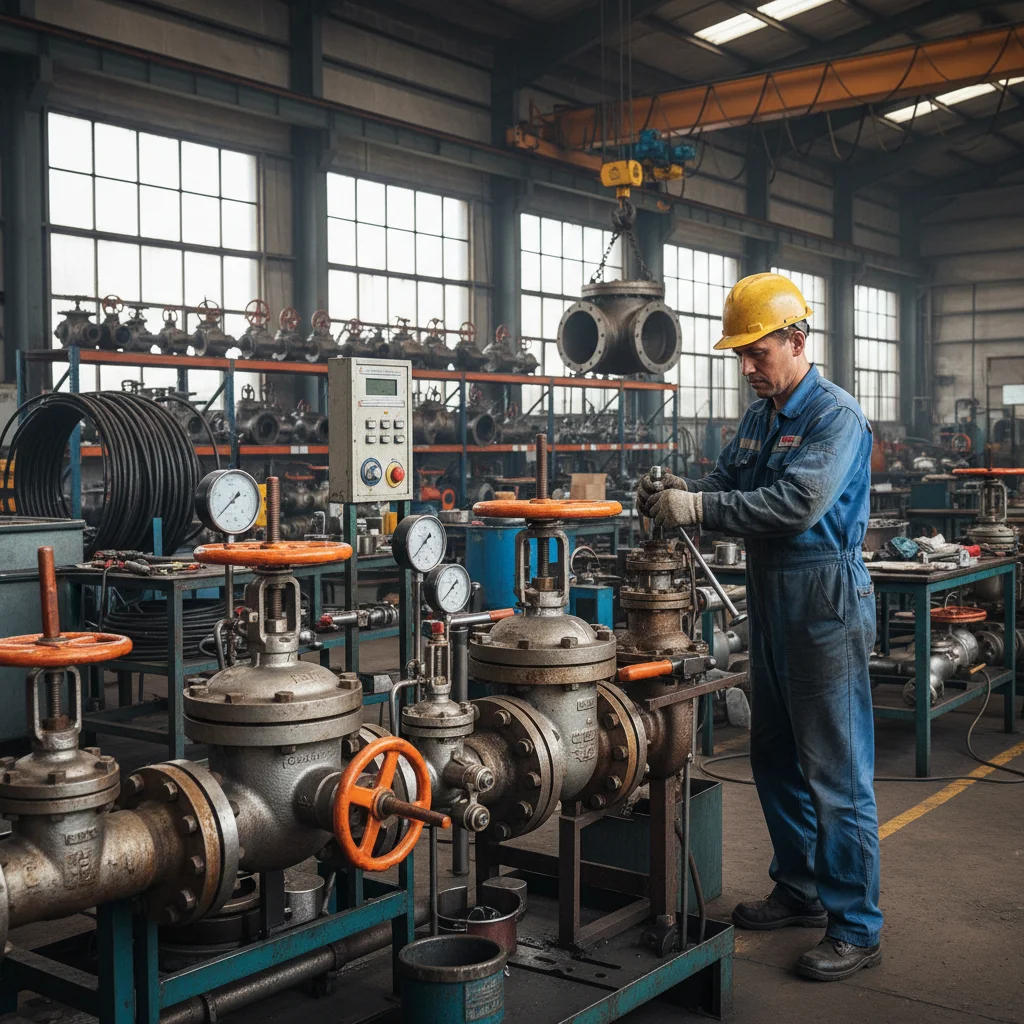

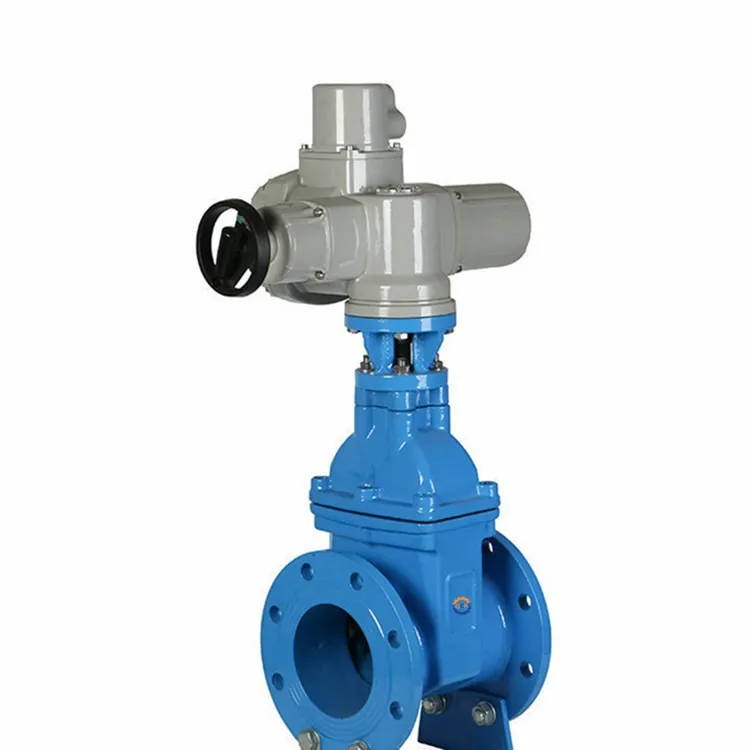
3 inch stainless steel or water gate valve
Choosing the Right 3 Inch Stainless Steel or Water Gate Valve
In industrial fluid control and municipal water systems, the cost of failure goes far beyond the price of a replacement component. Leakage, corrosion, and flow obstruction can lead to significant operational downtime and safety hazards. Sourcing a valve that balances durability with precise flow regulation is often a challenge, particularly when the market is flooded with inconsistent casting qualities. You need a solution that guarantees structural integrity under pressure, backed by manufacturing rigor.
Botou Shiantai Precision Machinery Manufacturing Co., Ltd. addresses this critical need by applying the same level of exactitude to our valve production as we do to our high-precision measuring tools. Located in Botou, China’s renowned "Hometown of Casting," we leverage decades of metallurgical expertise to produce robust flow control hardware. Unlike generic suppliers, we integrate scientific research with production, ensuring that every unit meets the stringent requirements of our clients in the United States, Germany, and Japan. By choosing us, you are securing a partnership with a manufacturer capable of delivering consistency across global markets.
Our Commitment to Reliability:
- Precision Heritage: Leveraging our background in manufacturing high-precision testing equipment to ensure valve dimensional accuracy.
- Global Trust: Proven track record exporting to over 30 countries, adhering to international standards (DIN, ANSI, JIS compatible capabilities).
- Material Integrity: Strict control over raw material composition, whether stainless steel or cast iron, to resist corrosion and wear.
Engineering Standards for 3 Inch Stainless Steel or Water Gate Valve
The performance of a gate valve is dictated by the density of its casting and the precision of its machining. A 3-inch valve acts as a critical choke point; therefore, surface finish and seal integrity are non-negotiable. At Botou Shiantai, we utilize high-precision testing instruments to verify that every valve body and disc meets exact tolerances. This ensures a tight seal and minimizes the torque required for operation, extending the lifespan of the actuator and the valve itself.
Our manufacturing process involves rigorous quality checks that differentiate our products from standard market offerings. By controlling the casting process in-house, we eliminate common defects such as porosity and sand inclusions which are the primary causes of body leakage in water and industrial applications.
| Performance Metric | Industry Significance | Our Engineering Standard | Client Advantage |
|---|---|---|---|
| Casting Density | Prevents porosity-induced leaks under pressure. | High-density casting protocols verified by specialized testing instruments. | Zero leakage assurance and higher pressure resistance. |
| Dimensional Tolerance | Ensures perfect flange alignment and ease of installation. | Micron-level precision derived from our measuring tool background. | Reduced installation time and labor costs. |
| Surface Finish | Reduces flow resistance and prevents sediment buildup. | Precision machining to smooth specific roughness averages (Ra). | Optimized flow rates and reduced maintenance intervals. |
| Material Certification | Critical for corrosion resistance (Stainless Steel) or durability (Iron). | Full traceability and strict adherence to specific material grades. | Long-term reliability in harsh or potable water environments. |
Maximizing ROI with 3 Inch Stainless Steel or Water Gate Valve
Procurement decisions often focus on the initial purchase price, but the Total Cost of Ownership (TCO) is where true value is realized. A substandard valve that requires frequent seal replacements or suffers from catastrophic body failure can cost an operation ten times its initial price in downtime and repairs. Botou Shiantai positions its products as a long-term investment. By utilizing advanced production techniques and high-grade materials customary to our exports to Germany and the US, we deliver valves that withstand the test of time.
Our integrated approach—combining scientific research, production, and trade—allows us to optimize the supply chain, offering competitive pricing without compromising on the quality expected from a specialized manufacturer. The chart below illustrates the projected lifecycle savings when selecting high-precision valves versus standard generic alternatives over a five-year operational period.
Related products
Top Selling Products
Industrial Water Valve Replacement and Precision Maintenance Guide
Industrial Carbon Steel Check Valve Guide for Piping Systems
Industrial Guide to Selecting a High Quality butterfly check valve