Look, I've been on construction sites for fifteen years. Fifteen years! You see a lot, smell a lot… mostly concrete dust and regret, honestly. Lately, everyone’s buzzing about prefabrication, modular builds. It's all anyone talks about at trade shows. Seems like everyone’s chasing speed, trying to cut down on labor costs. Which, don’t get me wrong, is a good thing. But it’s also where things get tricky.
You start looking at these designs, all neat and tidy on paper, and think, "Yeah, that'll work." Then you get to the site and realize… they forgot about the rain. Or the guy who’s going to actually *install* this thing. They design for the ideal, never for the real. Have you noticed that? It's a constant battle.
And the materials… oh, the materials. Right now, everything is leaning towards composites. Lightweight, strong, supposedly weather-resistant. We’re using a lot of fiber-reinforced polymers – FRP, they call it. Feels…plasticky, a little slick. Smells like chemicals, naturally. Handling it, you gotta wear gloves, obviously, but even then, it doesn't feel *substantial*, you know? Not like steel. But steel's heavy, and corrosion is a killer. Then there's cross-laminated timber (CLT). Now *that* stuff smells nice. Like a lumberyard, but… cleaner. Feels solid.
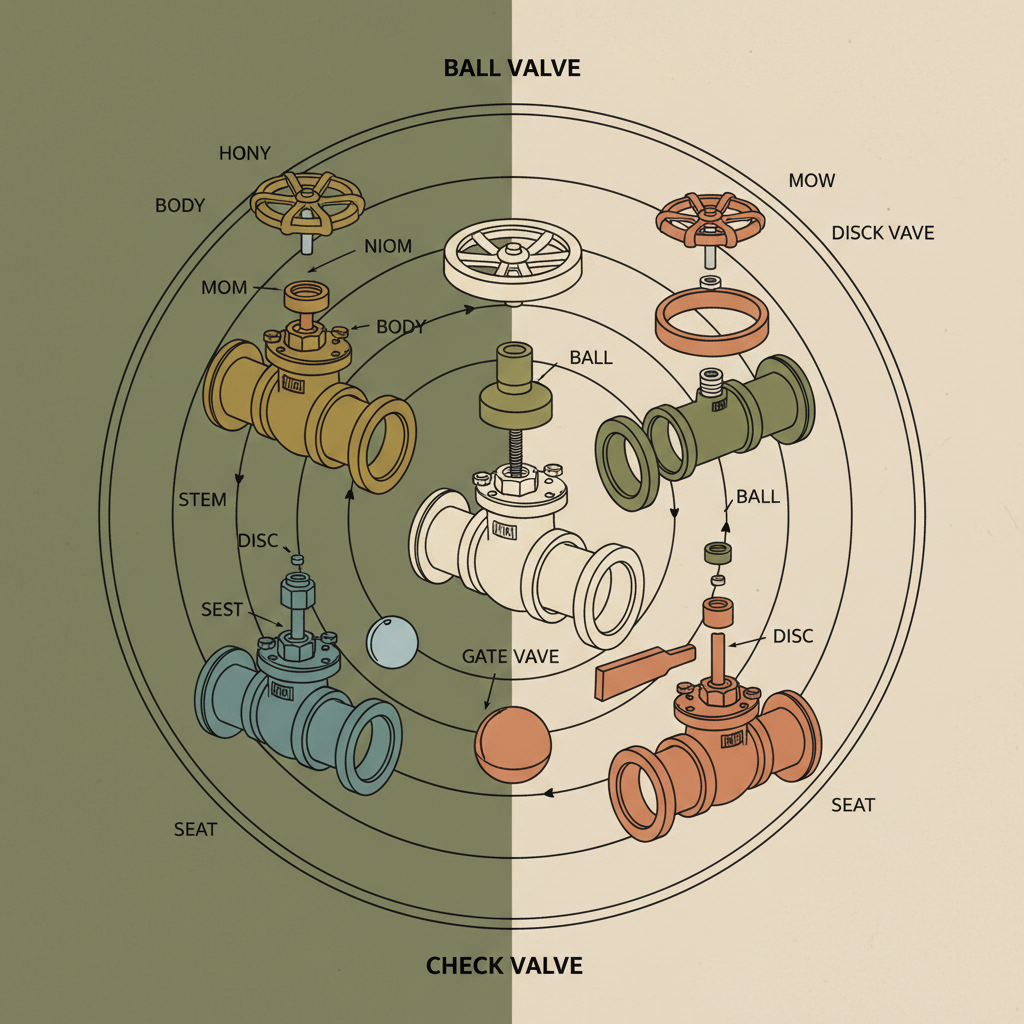
The Latest Trends in Water Valve Technology
To be honest, smart valves are the big thing now. Everything’s got a sensor and a microcontroller crammed inside. Remote monitoring, automated shut-off… sounds good on paper. But I've seen 'em fail. Simple failure. A cheap sensor, a bad connection, and suddenly you've got a flooded basement. The trend is definitely towards automation, though, driven by the whole "Internet of Things" craze. And, strangely, a lot of effort is going into making valves more compact. Apparently, space is always at a premium.
It's all about data, right? Everyone wants to collect data. How often the valve is opening and closing, the water pressure, the flow rate. I encountered this at a wastewater treatment plant last time. They wanted to track *everything*. I asked the engineer, “What are you gonna *do* with all this data?” He just shrugged.
Common Design Pitfalls in Water Valve Selection
The biggest mistake I see is undersizing. Guys trying to save a buck, putting in a valve that's too small for the flow rate. It chokes everything up, creates backpressure, and then you're replacing pumps and fittings left and right. Another one is ignoring water quality. You get hard water, rusty water, water with sediment, and suddenly that fancy, precision-engineered valve is clogged solid. You need to match the valve material to the water.
And don’t even get me started on installation. They specify these valves, all meticulously calibrated, and then some guy comes along and wrenches them in with a pipe wrench! It throws everything off. I saw it happen last week. It's just... frustrating.
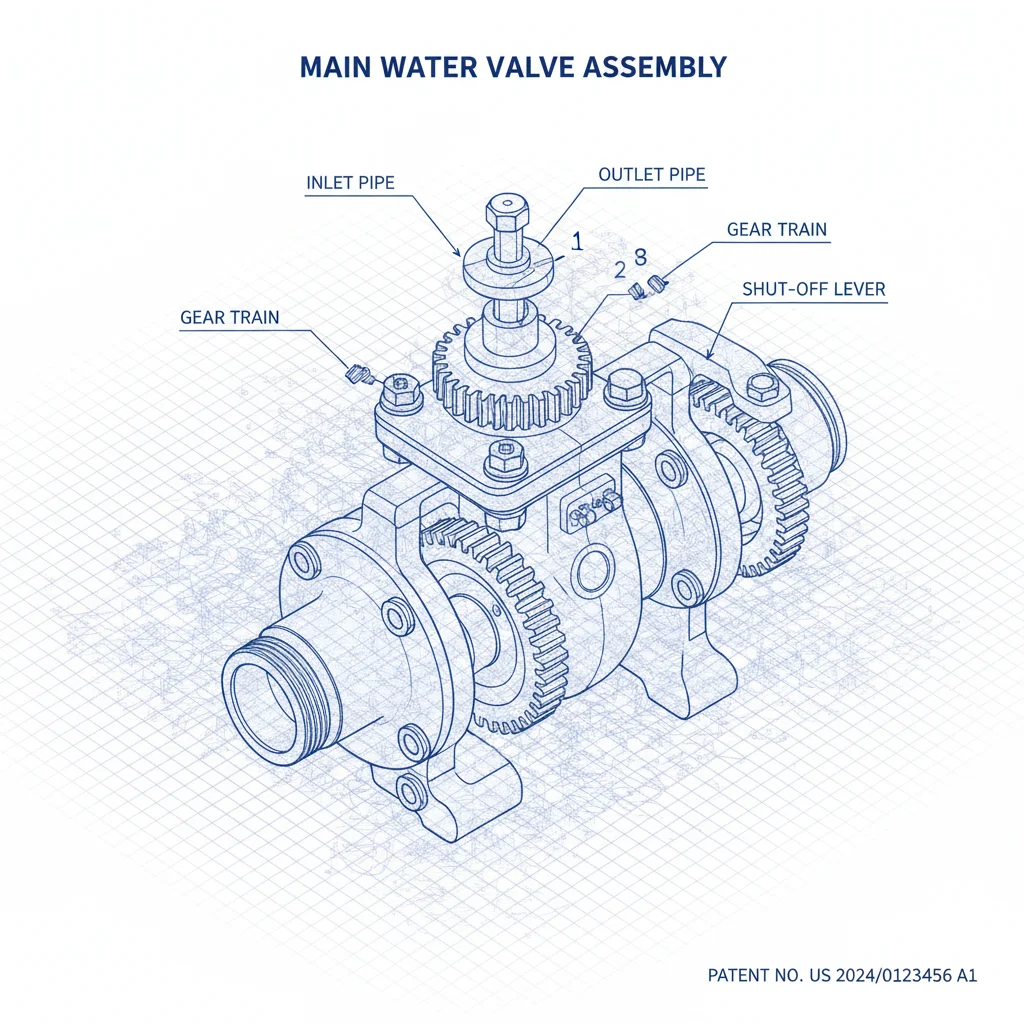
They also often forget about maintenance. Valves aren’t “fit and forget” items. They need to be inspected, lubricated, and sometimes rebuilt. A lot of these new designs make that harder. Fewer access points, more complicated mechanisms. Makes you wonder if the engineers even talked to the guys who have to maintain them.
Materials Used in Water Valve Construction
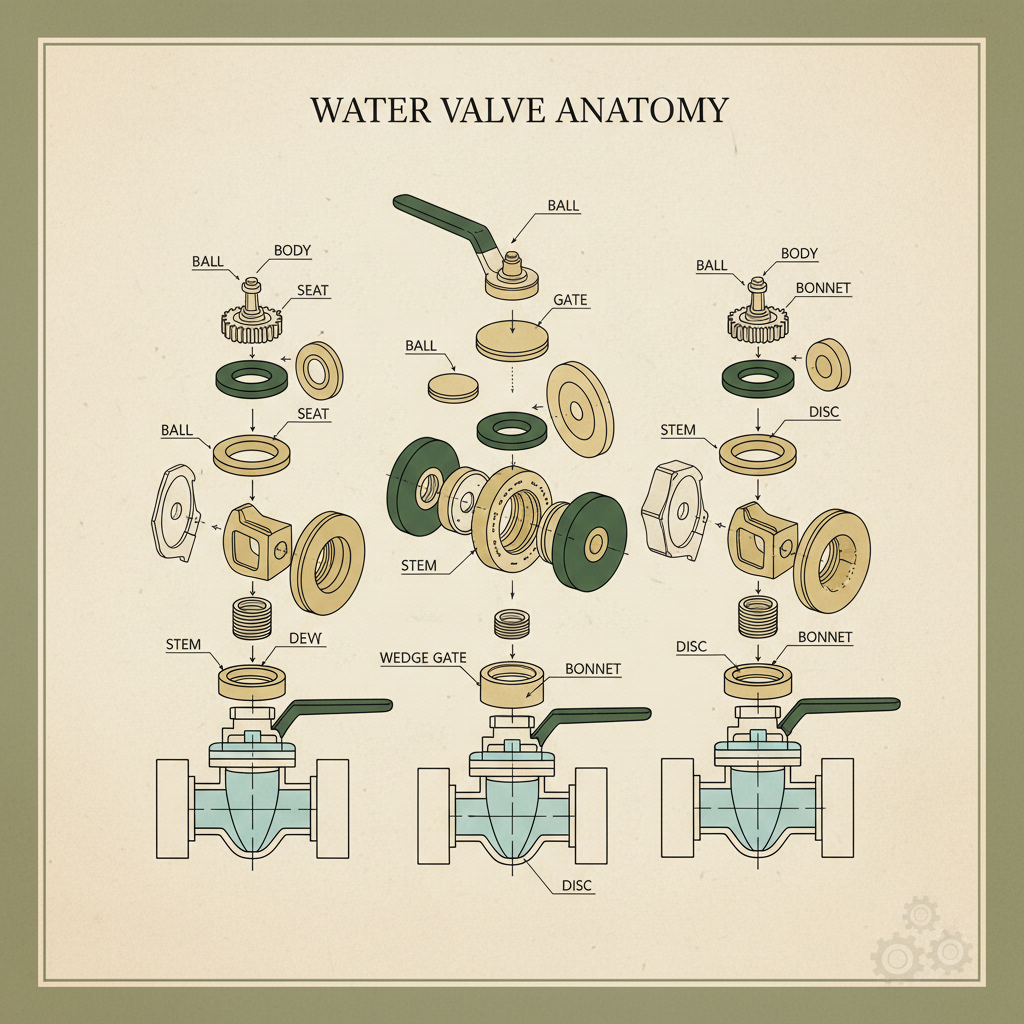
Traditionally, you've got cast iron, bronze, and stainless steel. Cast iron is cheap, durable, but heavy and prone to corrosion. Bronze is good for potable water, corrosion-resistant, but expensive. Stainless steel is the all-rounder. Strong, corrosion-resistant, but can be pricey too. You can tell a good piece of stainless by the weight – it should feel solid, substantial. Not flimsy.
Now, everyone's experimenting with plastics and composites. PVC, CPVC, PP, you name it. They’re lightweight, cheap, and don't corrode. But they can be brittle, especially in cold temperatures. I've seen PVC valves crack after a hard freeze. And they don't always hold up to high pressures. Anyway, I think the sweet spot is still stainless steel for most applications, especially if you’re dealing with anything remotely aggressive.
The seals are important too. Often rubber, or Teflon. The Teflon ones are expensive, but they last longer and they can handle higher temperatures. You can tell a bad seal when you start to smell something…a faint chemical odor. That's never good.
Real-World Testing of Water Valves
Look, lab tests are fine. Pressure tests, flow rate tests, corrosion resistance tests. But they don't tell the whole story. The real test is on the job site. How does it handle vibration? How does it hold up to dirt and grime? How easy is it to install and maintain? I’ve seen valves pass every lab test imaginable and fail within a week on a construction site.
We do a lot of hydrostatic testing – just filling the system with water and pressurizing it to see if there are any leaks. Simple, but effective. We also do cycle testing – opening and closing the valve repeatedly to see how it holds up. But the best test is just… time. Let it run for a year, then check it again. That’s when you really find out what’s what.
Water Valve Performance Based on Testing
How Water Valves are Actually Used in the Field
People don't always use them as intended, that's the truth. I've seen guys use ball valves as throttling valves, which is a big no-no. It wears them out prematurely. And then they wonder why they're leaking. They also tend to over-tighten them. You don’t need to crank it down to stop the flow! Just snug is good enough.
Often, they're used in makeshift repairs. Someone needs to cap off a pipe quickly, and they’ll grab whatever’s handy. I once saw a guy use a gate valve as a temporary plug. Didn't end well.
Advantages and Disadvantages of Different Water Valve Types
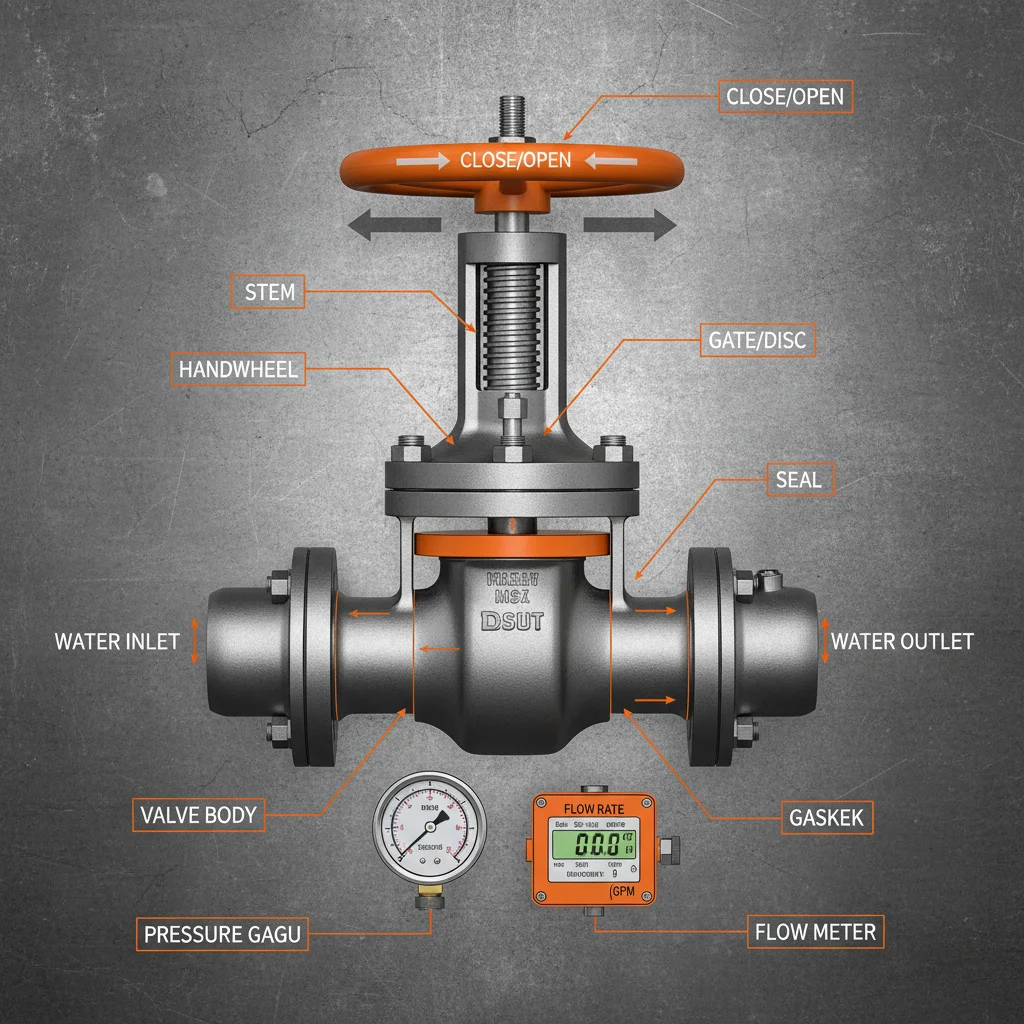
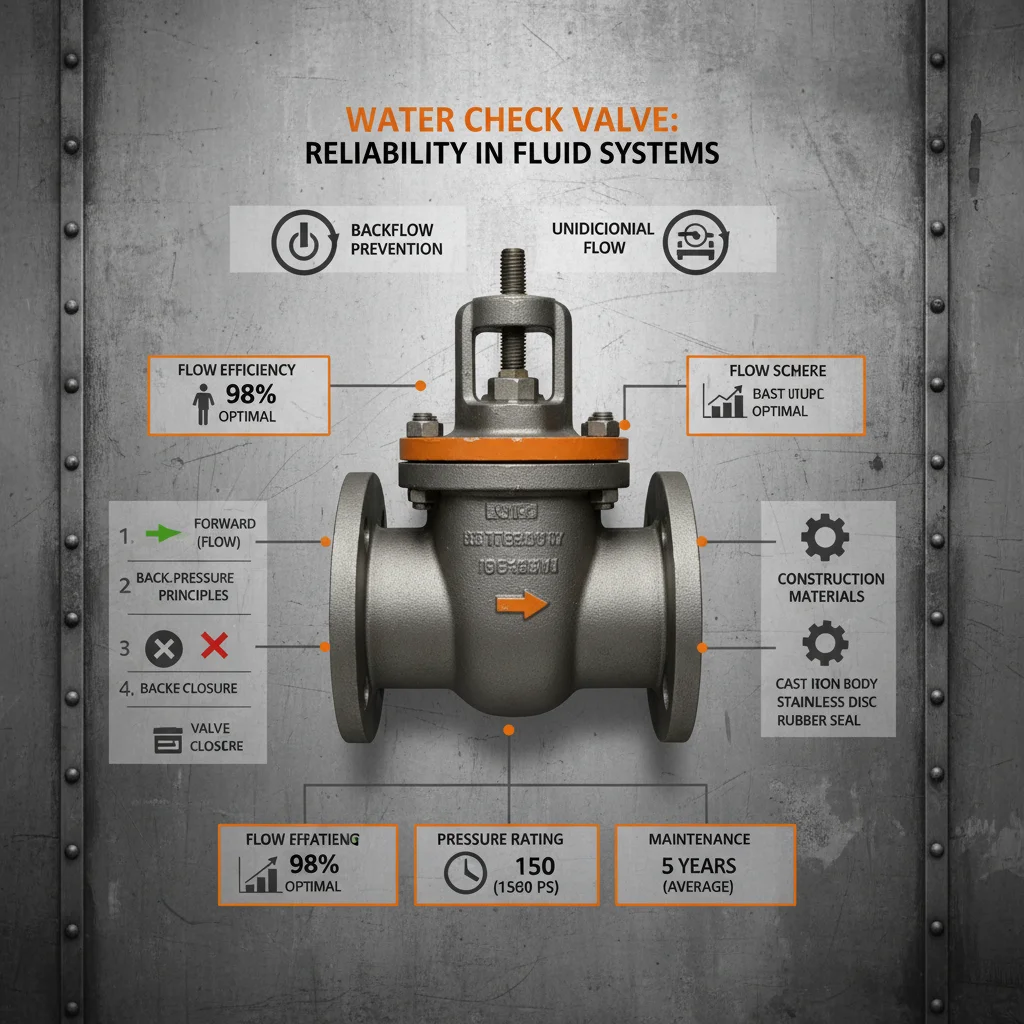
Gate valves are good for on/off service, but they're slow to operate. Globe valves are good for throttling, but they create a lot of pressure drop. Ball valves are fast and reliable, but they can be expensive. Check valves are simple and effective, but they can be prone to clogging. Butterfly valves are lightweight and compact, but they're not as precise as other types. There's no perfect valve, it all depends on the application.
One thing I've noticed about the newer, automated valves is that they're often over-engineered. Too many features, too many things that can go wrong. Sometimes, simple is better. A basic ball valve, properly installed, can outlast a fancy smart valve any day of the week.
Last month, that small boss in Shenzhen who makes smart home devices insisted on changing the interface to on his water valves, and the result was… a flooded factory floor. He wanted to be “innovative,” but the seals weren't compatible with the new connector. Lost him a whole production run.
Customization Options for Water Valves
You can get pretty much anything customized these days. Different materials, different sizes, different connections. I had a client who needed a ball valve with a special coating to handle highly corrosive chemicals. Not a problem, we got it done. You can also get them with different actuators – pneumatic, electric, manual. It just costs more.
One common customization is adding a pressure relief valve to a system. That’s a good idea, especially in areas with fluctuating water pressure. It prevents the pipes from bursting. But you need to make sure it's properly sized for the system.
A Rough Comparison of Water Valve Features
| Valve Type |
Cost (1-10) |
Ease of Maintenance (1-10) |
Reliability (1-10) |
| Gate Valve |
3 |
6 |
7 |
| Globe Valve |
5 |
5 |
8 |
| Ball Valve |
7 |
8 |
9 |
| Check Valve |
4 |
7 |
6 |
| Butterfly Valve |
2 |
4 |
5 |
| Smart Valve |
9 |
3 |
7 |
FAQS
Gate valves are generally used for isolation – fully open or fully closed. They’re not ideal for throttling flow. Ball valves, on the other hand, are excellent for both isolation and throttling. They offer a quarter-turn operation, making them faster and easier to use. But, gate valves are usually cheaper for larger sizes.
Water hammer is caused by sudden changes in flow. To prevent it, you need to control the rate of valve closure. Slow-closing valves, like globe valves, can help. Adding air chambers or surge suppressors to the pipeline is also a good idea. And make sure your pipes are properly supported to minimize vibration.
Saltwater is incredibly corrosive. You need a valve made from a highly corrosion-resistant material. Stainless steel (specifically, 316 stainless) is a good choice. Bronze alloys are also used. Avoid cast iron unless it’s heavily coated with a corrosion-resistant paint or lining.
It depends on the application, but at least annually. Look for signs of corrosion, leaks, or damage. Check the seals and packing. If you notice anything unusual, get it fixed immediately. A small leak can quickly turn into a major problem.
Maybe. It depends on your skills and the type of valve. Simple repairs, like tightening packing, can be done yourself. But more complex repairs, like replacing seals or internal parts, are best left to a professional. You don't want to make things worse.
The pressure rating indicates the maximum pressure the valve can handle safely. Using a valve with a lower pressure rating than your system’s operating pressure is a recipe for disaster. It could rupture, causing serious damage and injury. Always check the pressure rating before installing a valve!
Conclusion
So, there you have it. Water valves – they're not glamorous, but they’re essential. From choosing the right material to understanding the different types, there's a lot to consider. It’s about more than just specs on a datasheet. It's about understanding how these things work in the real world, how they’re going to be used, and how they're going to be maintained.
Ultimately, whether this thing works or not, the worker will know the moment he tightens the screw. And if he doesn't like what he feels, if something seems off, he needs to speak up. That's the most important test of all. Check out our website at www.strmachinerys.com to explore our range of water valves and find the right solution for your project.