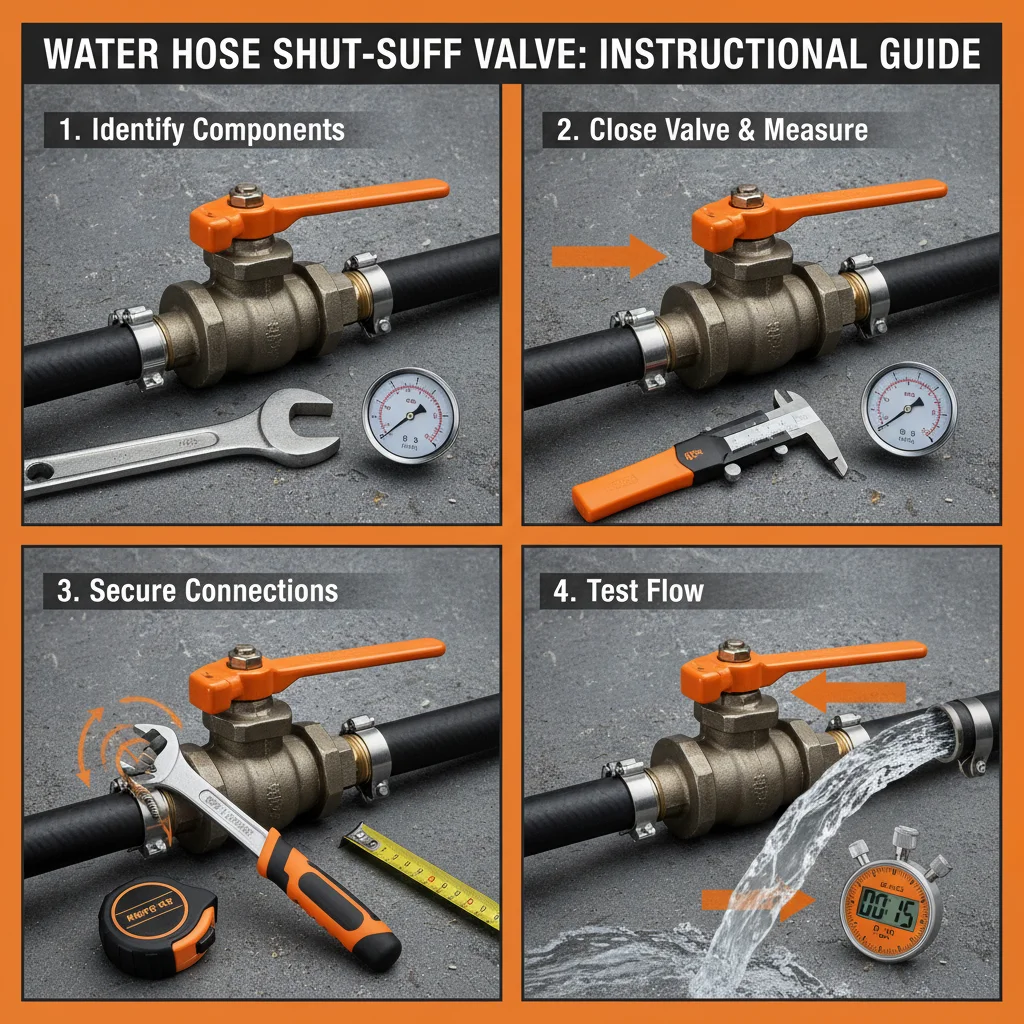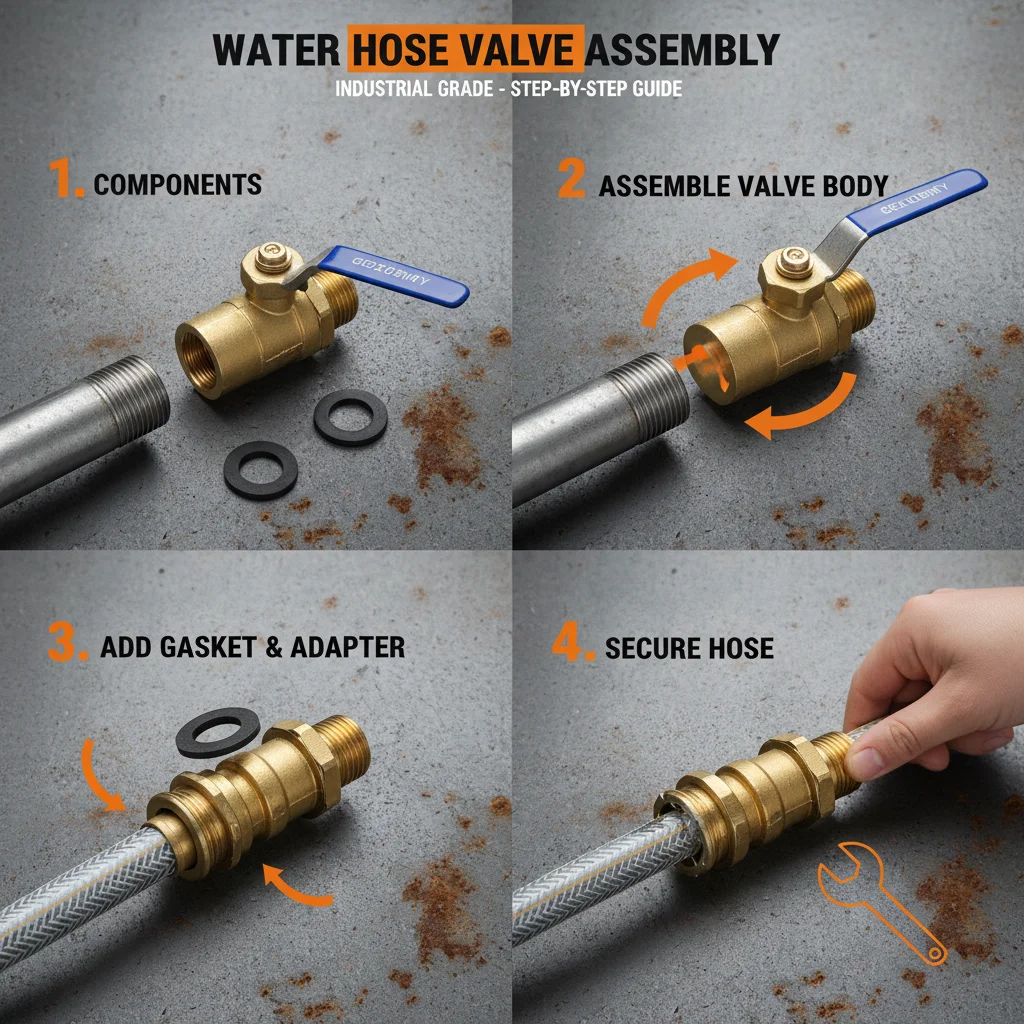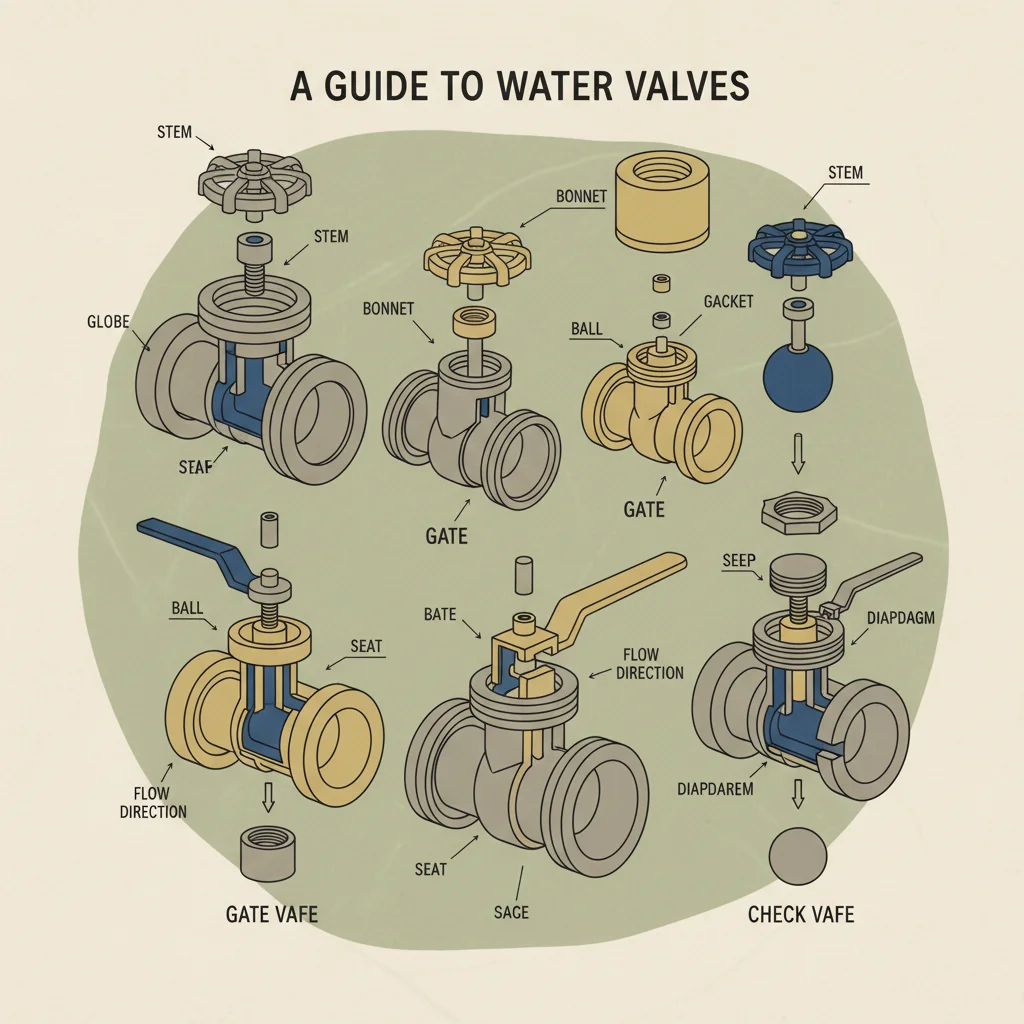

Selecting the correct flow control hardware is rarely about the valve itself, but rather about how that component interacts with the systemic pressures and chemical compositions of a specific industrial environment. When engineers evaluate water valves, they are essentially managing the balance between operational longevity and precision control.
In the realm of metal products and specialized equipment manufacturing, the failure of a single valve can lead to cascading downtime, making the material integrity and casting precision of the valve body the most critical variables in the procurement process.
This guide examines the technical intersections of valve metallurgy, selection frameworks for high-pressure environments, and the operational trade-offs that define modern fluid management systems.

Understanding the Technical Role of Industrial Water Valves

At their most basic level, industrial water valves are not merely "on/off" switches; they are dynamic regulators of kinetic energy and pressure. In specialized equipment manufacturing, these components must manage everything from cooling loops in casting furnaces to high-pressure cleaning systems in metal fabrication.
The primary challenge lies in the interaction between the valve's internal geometry and the fluid's turbulence. Poorly designed valve seats can lead to cavitation—the formation and collapse of vapor bubbles—which can erode the strongest alloys in a matter of months.
To prevent such degradation, the industry has shifted toward precision-cast bodies that minimize internal friction and maximize structural rigidity, ensuring that the seal remains airtight even under extreme thermal cycling.
Core Material Variables and Structural Integrity Factors
Material selection is the first line of defense against system failure. While stainless steel and cast iron remain industry staples, the specific grade of the alloy determines the valve's resistance to oxidation and mechanical wear.
Cast iron is frequently preferred for its damping properties and cost-efficiency in low-pressure applications, whereas alloy steels are indispensable for high-temperature steam or chemical-laden water systems where corrosion resistance is non-negotiable.
Furthermore, the precision of the casting process—reducing porosity and ensuring uniform wall thickness—directly impacts the valve's ability to maintain a consistent pressure rating without deformation over time.
Application Scenarios in Heavy Metal Manufacturing
In the context of metal products and casting industries, water valves operate in some of the most punishing environments imaginable. Cooling systems for die-casting machines require valves that can handle rapid temperature swings without leaking.
Another critical application is in the quenching process, where precise water volume control is essential to achieve the desired metallurgical properties of the metal. A failure in valve timing here can result in an entire batch of parts failing hardness tests.
Additionally, water management in welding workbench cooling systems requires low-maintenance valves that can resist the buildup of mineral scales and contaminants, ensuring that the equipment remains within its operational thermal window.
Performance Benchmarks for Flow Control Efficiency
Evaluating valve performance requires looking beyond the datasheet. Key metrics include the flow coefficient (Cv), the pressure drop across the valve, and the leak rate according to ISO standards.
When comparing standard off-the-shelf components with precision-engineered valves, the difference in energy efficiency becomes apparent through reduced pressure loss and a decrease in pump load requirements.
water valves Performance Metrics
The data indicates that high-precision valves significantly reduce energy waste by optimizing the flow path, which translates to lower operational costs over the lifecycle of the industrial plant.
Procurement Frameworks for Sustainable Valve Integration
Procuring industrial valves should not be a race to the lowest unit price. The total cost of ownership (TCO) includes installation, the frequency of seal replacements, and the cost of unplanned downtime.
Buyers should prioritize suppliers who provide comprehensive material certifications and traceable quality control reports. Verifying the casting origin and the precision of the machining surfaces is essential for high-pressure systems.
Furthermore, assessing the availability of OEM replacement parts ensures that a minor seal failure doesn't require the replacement of the entire valve assembly, which is a common inefficiency in poorly planned procurement.
Future Trajectories in Intelligent Fluid Management
The integration of IoT sensors into valve assemblies is likely to redefine how maintenance is handled. Predictive maintenance, based on vibration and pressure signatures, may soon replace scheduled interval replacements.
We are also seeing a trend toward the use of additive manufacturing for internal valve geometries. This could allow for flow paths that are mathematically optimized to eliminate cavitation, a feat nearly impossible with traditional casting.
As sustainability mandates increase, the demand for valves with zero-leakage certifications will likely grow, pushing the industry toward more advanced elastomeric materials and precision-lapped metal seats.
Comparative Analysis for Valve Type Selection
Choosing between different valve types requires a clear understanding of the intended flow behavior. A ball valve offers rapid shut-off but limited throttling, whereas a globe valve provides precise flow regulation at the cost of higher pressure drops.
The following table summarizes the trade-offs across common industrial configurations to assist in the technical selection process.
| Valve Type | Primary Function | Pressure Drop | Maintenance Need |
|---|---|---|---|
| Ball Valve | Quarter-turn Isolation | Low | Low - Seal based |
| Gate Valve | Linear On/Off | Very Low | Medium - Seat wear |
| Globe Valve | Precision Throttling | High | High - Trim erosion |
| Butterfly Valve | Flow Regulation | Medium | Medium - Disk alignment |
| Check Valve | Backflow Prevention | Medium | Low - Spring fatigue |
| Needle Valve | Fine Metering | Very High | Medium - Clogging risk |
Ultimately, the selection must be aligned with the specific hydraulic requirements of the system, balancing the need for precise control against the acceptable loss of system pressure.
Frequently Asked Questions
Conclusion
The effectiveness of an industrial fluid system is only as reliable as its weakest valve. By shifting focus from initial cost to a comprehensive evaluation of material science, casting precision, and application-specific selection, manufacturers can significantly reduce operational risk.
Professionals seeking to optimize their infrastructure can review relevant product and company information available through www.strmachinerys.com to ensure their hardware meets modern industrial standards.