

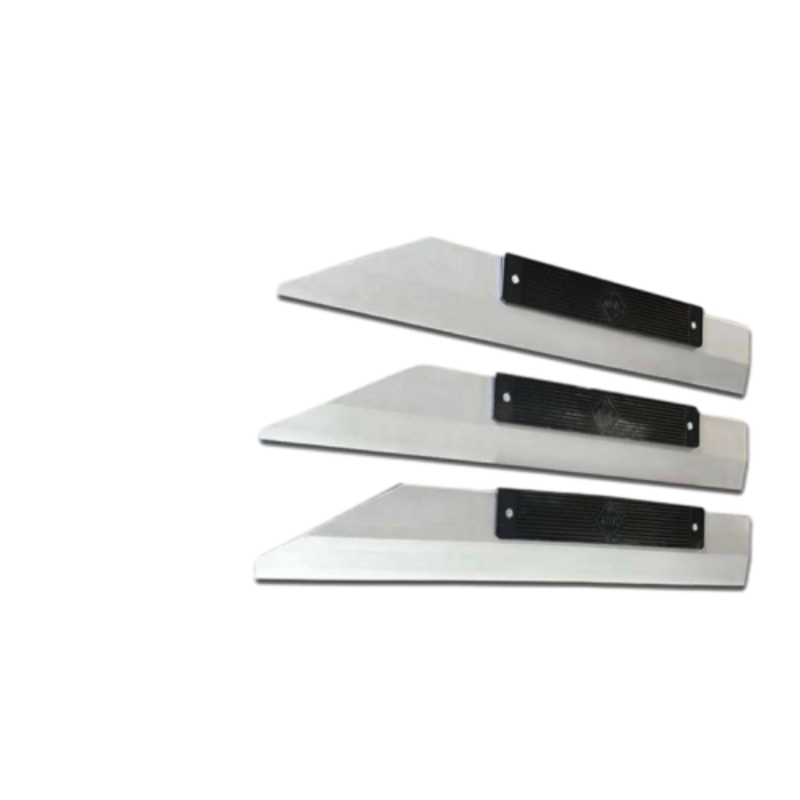
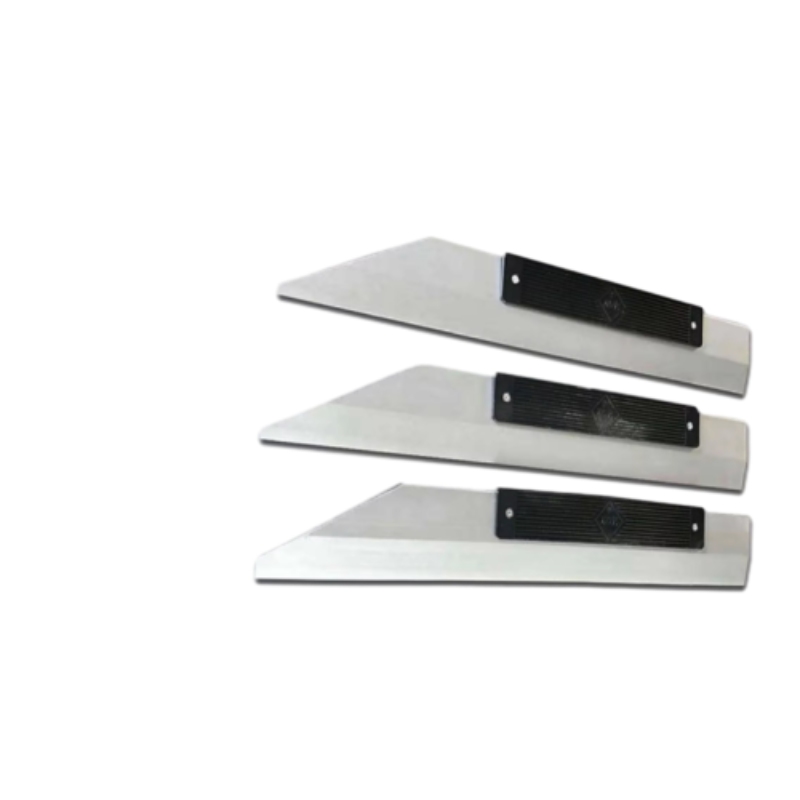
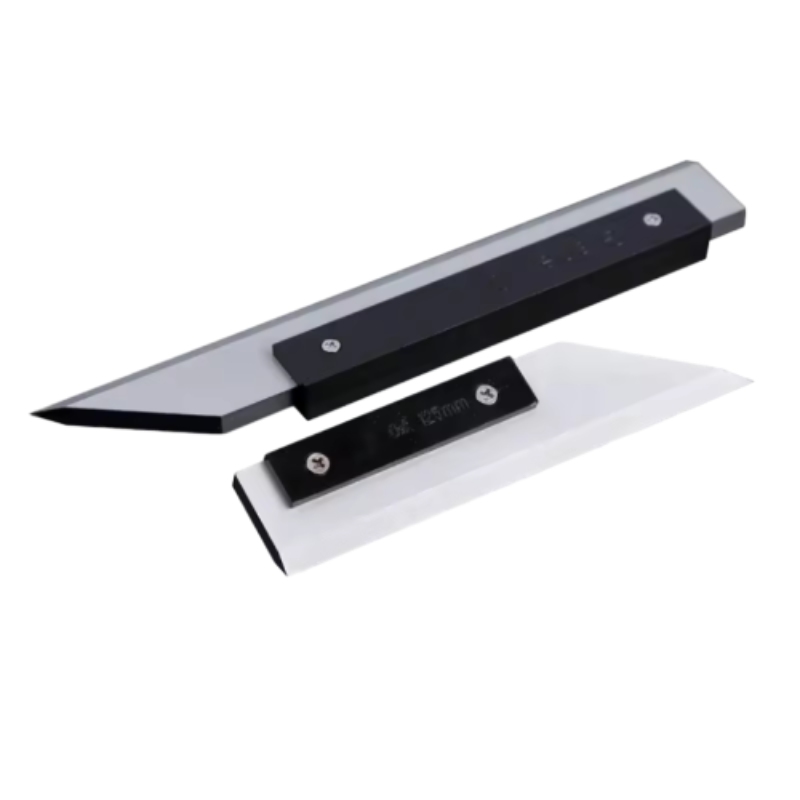
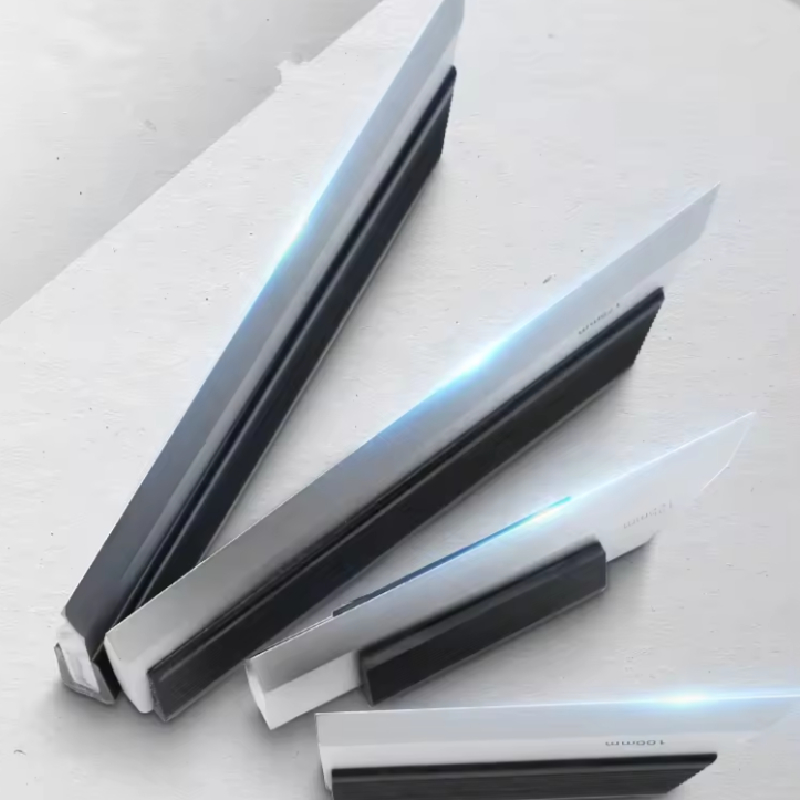
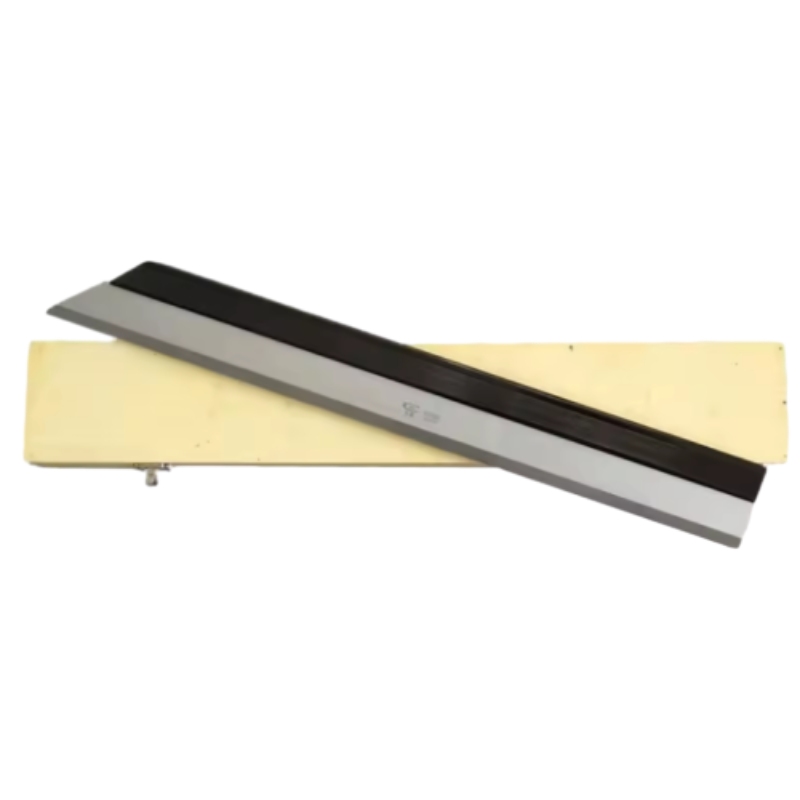
Knife Edge Ruler
Product Content
Place of Origin:Hebei
Warranty:1 YEAR
Customized support:OEM, ODM
Brand Name:Storan
Model Number:3001
Material:stainless steel
Accuracy:0class
Product name:Straight Edge 500-4000mm
Material:Magnalium
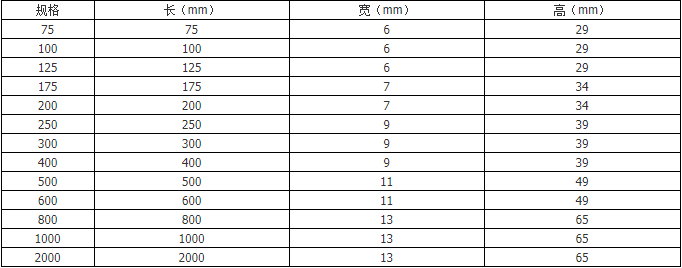
Size:75-2000mm
Package:plywood box
certificate:ISO9001
Grade:0 class
Shipping:by sea or AIR
precision:0 grade 1grade 2grade
Application:High precise measure
Yield-point:110kg/mm2
Selling Units::Single item
Single package size: 82X20X10 cm
Single gross weight: 5.000 kg
Lead time
|
Quantity (pieces) |
1 – 1200 |
> 1200 |
|
Lead time (days) |
2 |
To be negotiated |
Product Description
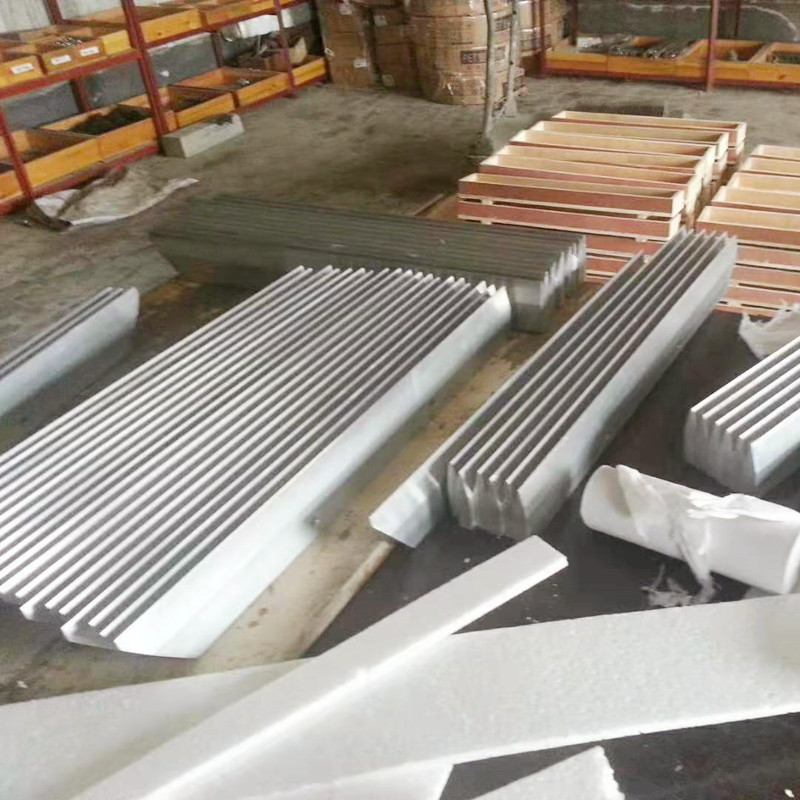
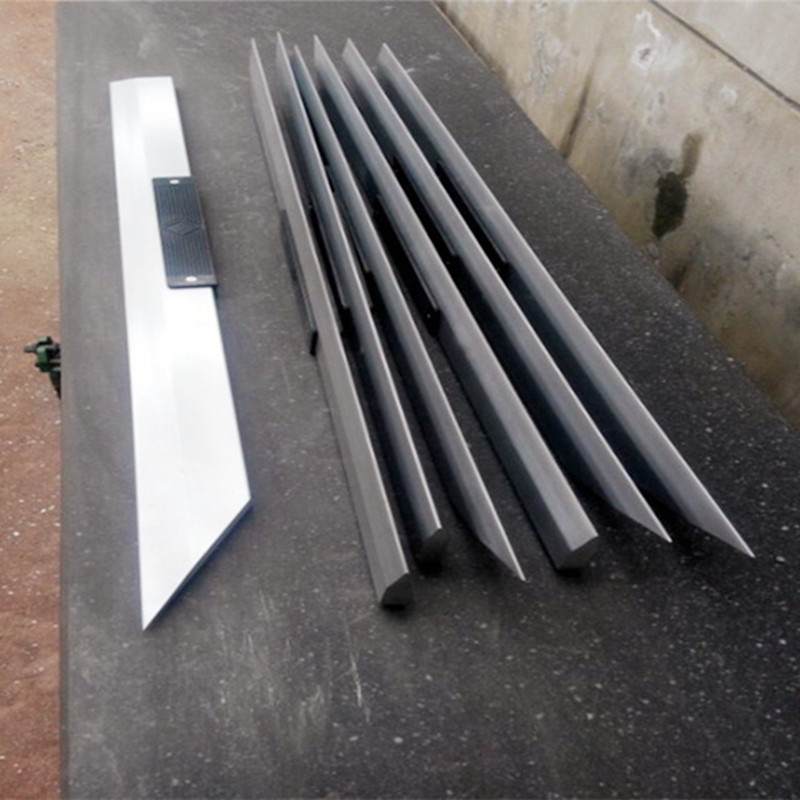
Precision carbon steel knife edge ruler elevator cylinder head ruler magnesium aluminum knife edge ruler
The magnesium aluminum knife edge ruler is mainly used for straightness measurement and flatness measurement using the light gap method, and can also be used together with measuring blocks to verify the accuracy of the plane. It has the advantages of simple structure, convenient operation, and high measurement efficiency, and is a commonly used measuring tool in mechanical processing. It generally has high accuracy, with straightness error controlled within 1 μ The measurement surface roughness is about 0.025 pieces with an accuracy of m. Knife edge rulers should be made of alloy tool steel, bearing steel, or magnesium aluminum alloy materials. It should undergo stability treatment and demagnetization treatment.
The magnesium aluminum knife edge ruler is used to measure straightness and flatness errors, and should be used in conjunction with a feeler gauge. When measuring, place the edge of the knife edge ruler perpendicular to the measured plane, and use a feeler gauge to fill the gap under the edge to measure the flatness error. During inspection, if the light transmission between the edge ruler and the workpiece plane is weak and uniform, then the flatness of the workpiece is qualified; If the intensity of the incoming light is uneven, it indicates that the surface of the workpiece is uneven. The flatness error can be determined by inserting a feeler gauge at the close position between the edge ruler and the workpiece, based on the thickness of the feeler gauge.
Advantages of magnesium aluminum knife edge ruler: lightweight, convenient to use, not easily deformed, not rusty, and easy to store.
Product Parameter
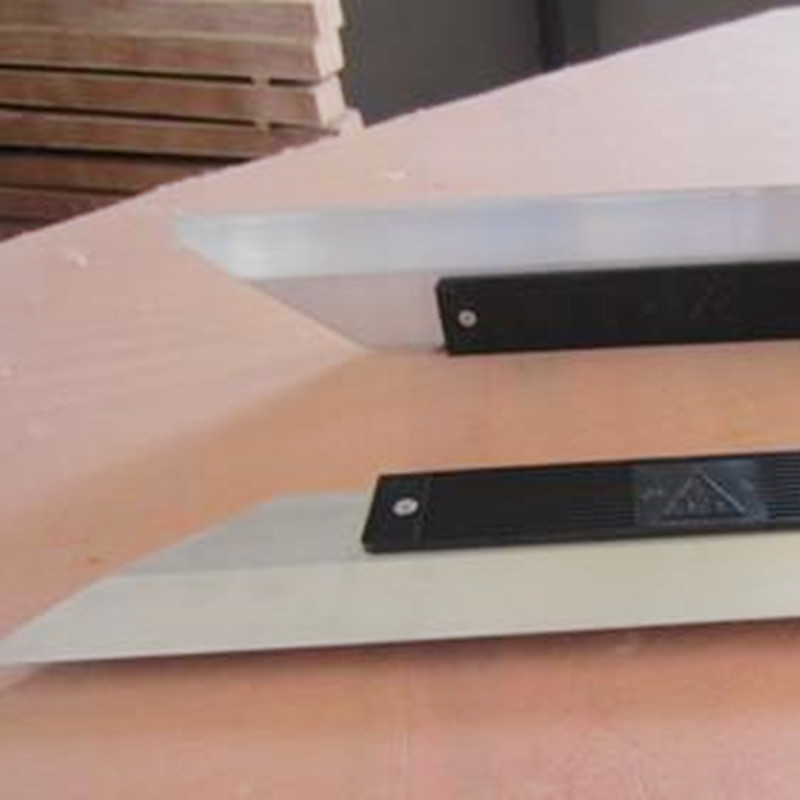
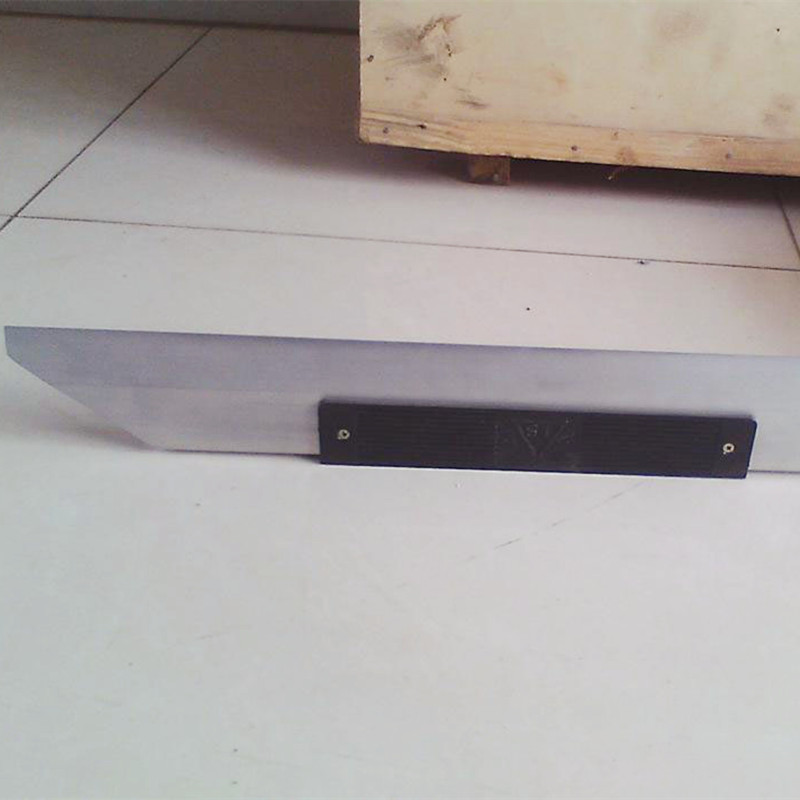
Product Detail Drawing
Related PRODUCTS