

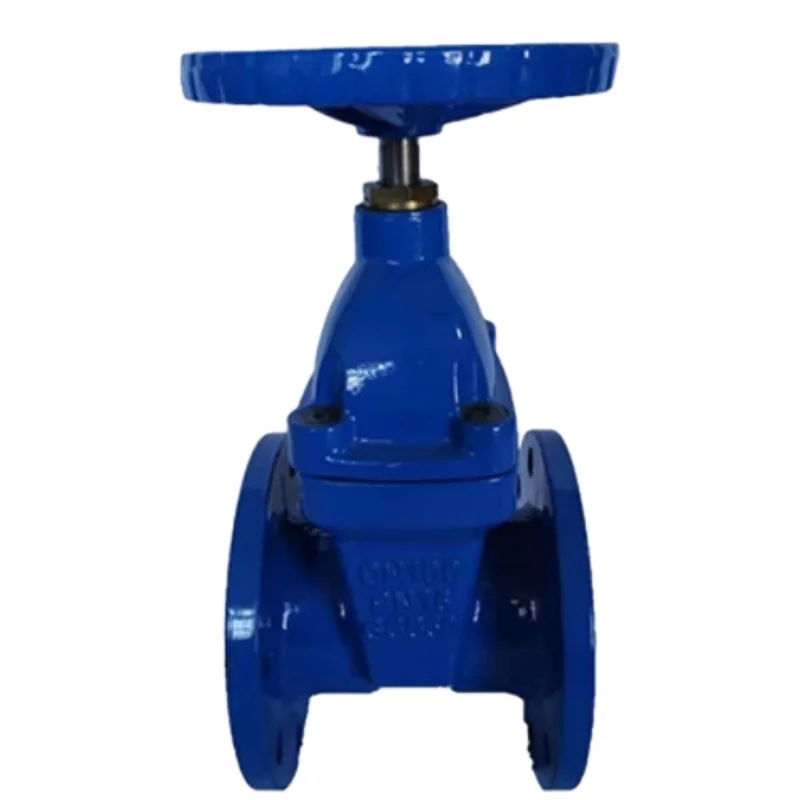
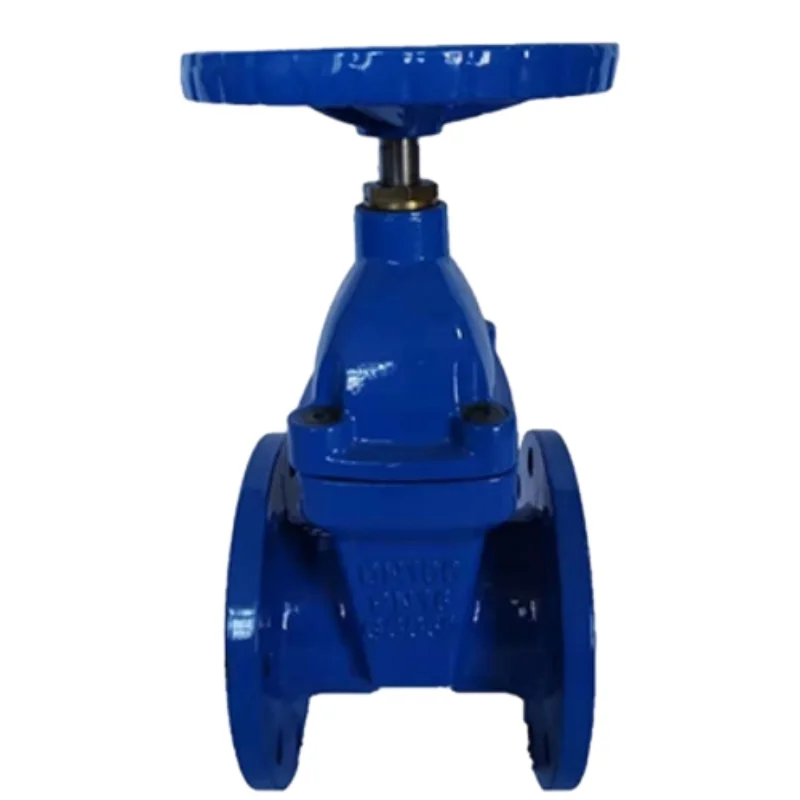
High Performance Soft Seal Gate Valve China Suppliers and Factory
The Soft Seal Gate Valve is a high-performance industrial fluid control solution engineered for superior sealing and operational efficiency. By integrating a resilient elastomeric sealing element—typically high-quality rubber—instead of traditional metal-to-metal seating, this valve ensures a leak-proof shut-off that accommodates minor surface irregularities. This makes it an ideal choice for critical infrastructure where preventing leakage is paramount, such as municipal water supply, chemical processing, and wastewater treatment facilities.
Constructed from premium ductile iron (QT450-10) and coated with a non-toxic epoxy resin, our Soft Seal Gate Valves are designed to withstand corrosive environments while ensuring the purity of transported media. The innovative flat-bottom design prevents the accumulation of debris, while the three "O" type ring seal system minimizes friction and leakage. Combining lightweight construction with heavy-duty durability, these valves offer a sustainable, low-maintenance alternative to conventional hard-seal options.
Detailed Parameters
| Product Type | Soft Seal Gate Valve | Connection | Flange Ends |
|---|---|---|---|
| Temperature Range | 0-80℃ | Pressure Rating | PN10/16 |
| Body Material | Ductile Iron QT450-10 | Media | Water, Gas, Oil, etc. |
| Port Size | DN50 (Customizable) | Structure | Control Port / Flat Bottom |
| Coating | Powder Epoxy Resin | Seal Material | High-Quality Vulcanized Rubber |
Key Advantages
Anti-Corrosion Coating
Finished with powder epoxy resin to prevent rust and corrosion, making it ideal for sewage and raw water systems.
Flat Bottom Design
Eliminates debris accumulation like stones or cement, ensuring unobstructed fluid flow and reliable closing.
Superior Sealing
Advanced vulcanization technology ensures the rubber bond to ductile iron is firm, providing an airtight seal.
Reduced Friction
Equipped with three "O" type ring seals to lower operating torque and drastically reduce water leakage.
Precision Casting
Precision-cast valve body ensures perfect geometry and seamless sealing without additional finishing.
Lightweight Build
Ductile iron construction reduces overall weight by 20%-30% compared to traditional cast iron valves.
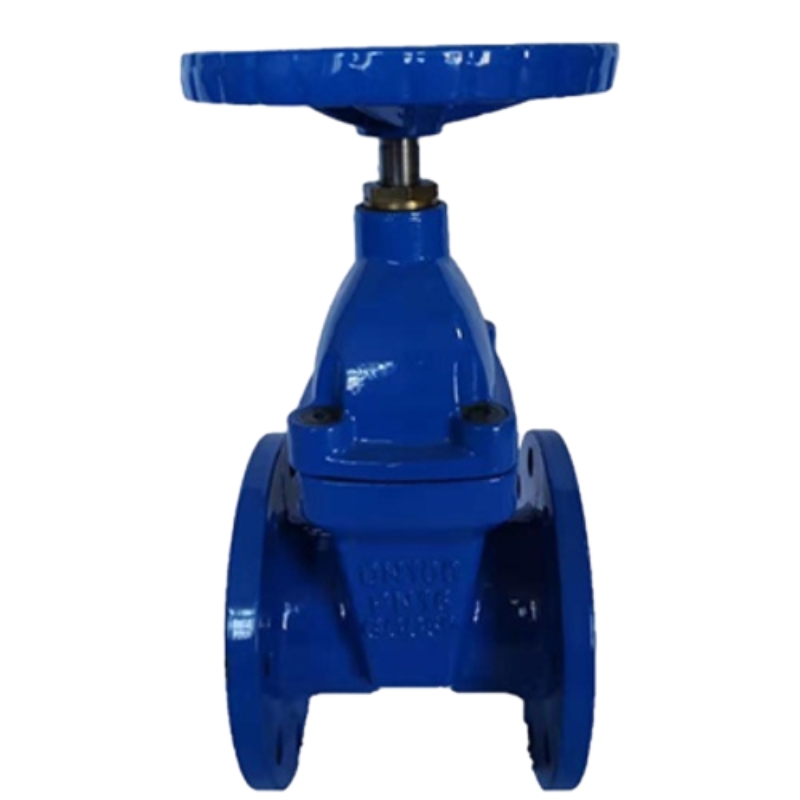
Product Gallery
Management Platforms
Inventory Control
Standard items ship within 5 days; custom orders processed within 15-30 days.
Quality Assurance
Strict adherence to PN10/16 pressure standards and material certifications.
Sample Testing
Free samples available to verify fit and quality before bulk procurement.
Flexible Payment
T/T options with balanced payments before shipment for high-volume orders.
Global Logistics
Optimized shipping routes for heavy industrial equipment to minimize lead times.
Technical Support
Professional guidance on valve selection and installation for piping systems.
Investment Return Comparison
| Feature | Soft Seal Gate Valve | Hard Seal Gate Valve |
|---|---|---|
| Sealing Ability | Ultra-tight / Leak-proof | Mechanical seal / High-pressure |
| Operating Torque | Low (Easier operation) | High (Requires more force) |
| Media Compatibility | Water, Waste, Low-temp | Corrosive, High-temp, Steam |
| Initial Cost | Economical / Mid-range | Higher initial investment |
| Maintenance | Seal replacement periodic | Long-term durability / Low freq. |
Frequently Asked Questions
The primary advantage is the ability to create a tighter, leak-proof seal. The resilient elastomer conforms to the valve seat, compensating for minor imperfections and providing superior shut-off for water and gas systems.
Yes, ductile iron offers significantly higher impact resistance and ductility. This reduces the risk of valve body cracking due to external collisions or pressure surges compared to brittle cast iron.
Absolutely. The valve body is coated with a non-toxic epoxy resin and the internal surfaces are fully covered with rubber to prevent rust and contamination, ensuring the safety of drinking water.
Traditional valves have grooves where silt, stones, and debris accumulate, often preventing the valve from closing fully. The flat bottom mimics the pipe floor, allowing debris to pass through and ensuring a consistent seal.
Lifespan depends on the media, but they are built for long-term industrial use. We recommend exercising the valve every few months to maintain seal flexibility and inspecting for external wear periodically.
Yes, while our standard is DN50 and PN10/16, we can provide tailored specifications to match your specific piping system requirements. Please contact our technical team for a custom quote.
Ready to Optimize Your Fluid Control System?
Contact UsRelated PRODUCTS
RELATED NEWS
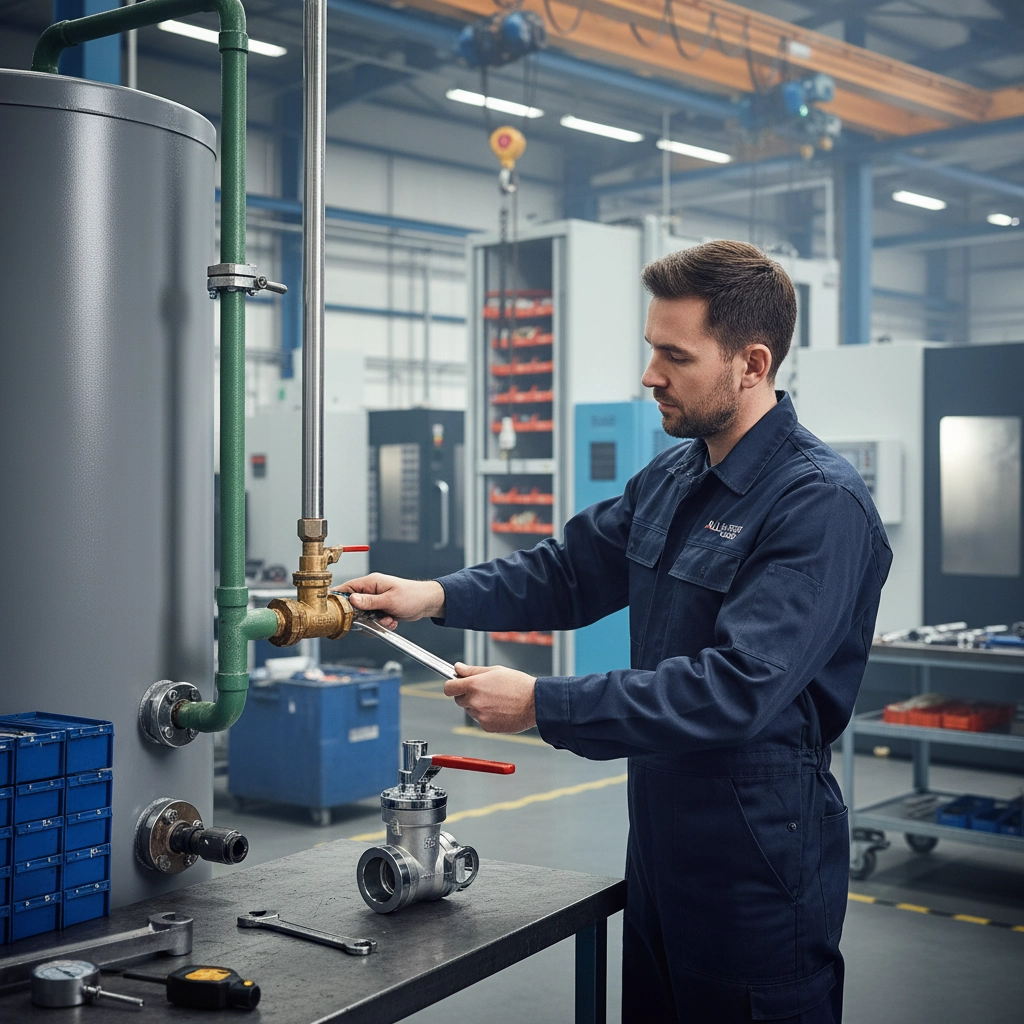
Guide for replacing pressure valve on water heater safety
Ensuring the safety and longevity of a home heating system often comes down to a single, critical component: the Temperature and Pressure TP relief valve. When homeowners or maintenance professionals consider replacing pressure valve on water heater , they are essentially engaging in a vital safety protocol that prevents catastrophic tank failure. Understanding the mechanics of this valve is the first step toward maintaining a secure domestic environment. Globally, the demand for high-precision casting and valve components has surged as building codes become more stringent regarding water heating safety. The process of replacing pressure valve on water heater is not merely a repair task
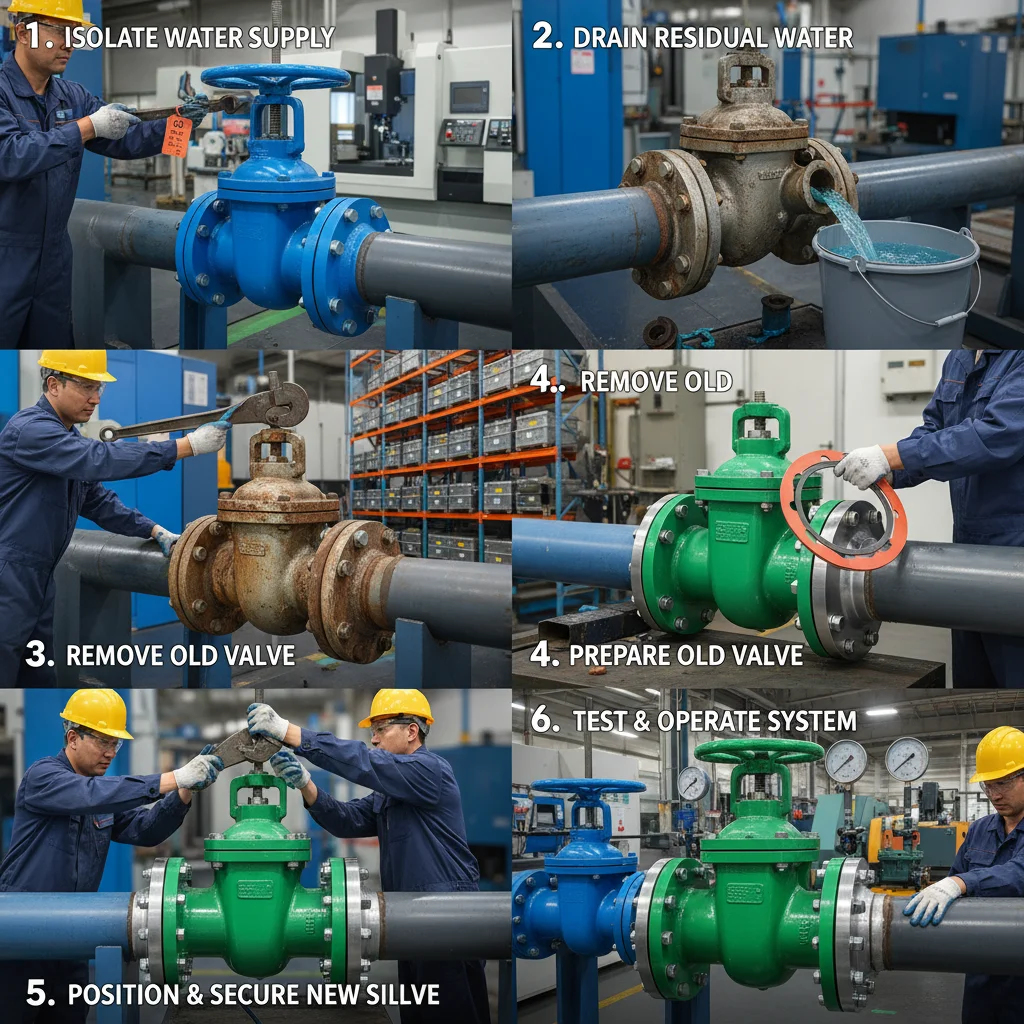
Industrial Guide to Replace Water Valve for System Efficiency
Managing fluid dynamics in industrial settings requires precision and reliability, and knowing when to replace water valve components is critical for maintaining operational efficiency. Whether in a large-scale manufacturing plant or a specialized casting facility, a failing valve can lead to significant downtime, resource waste, and safety hazards. Understanding the lifecycle of these components ensures that production lines remain fluid and uninterrupted. Globally, the move toward sustainable manufacturing has put a spotlight on water conservation and the prevention of leaks. The process to replace water valve systems is no longer just about fixing a leak
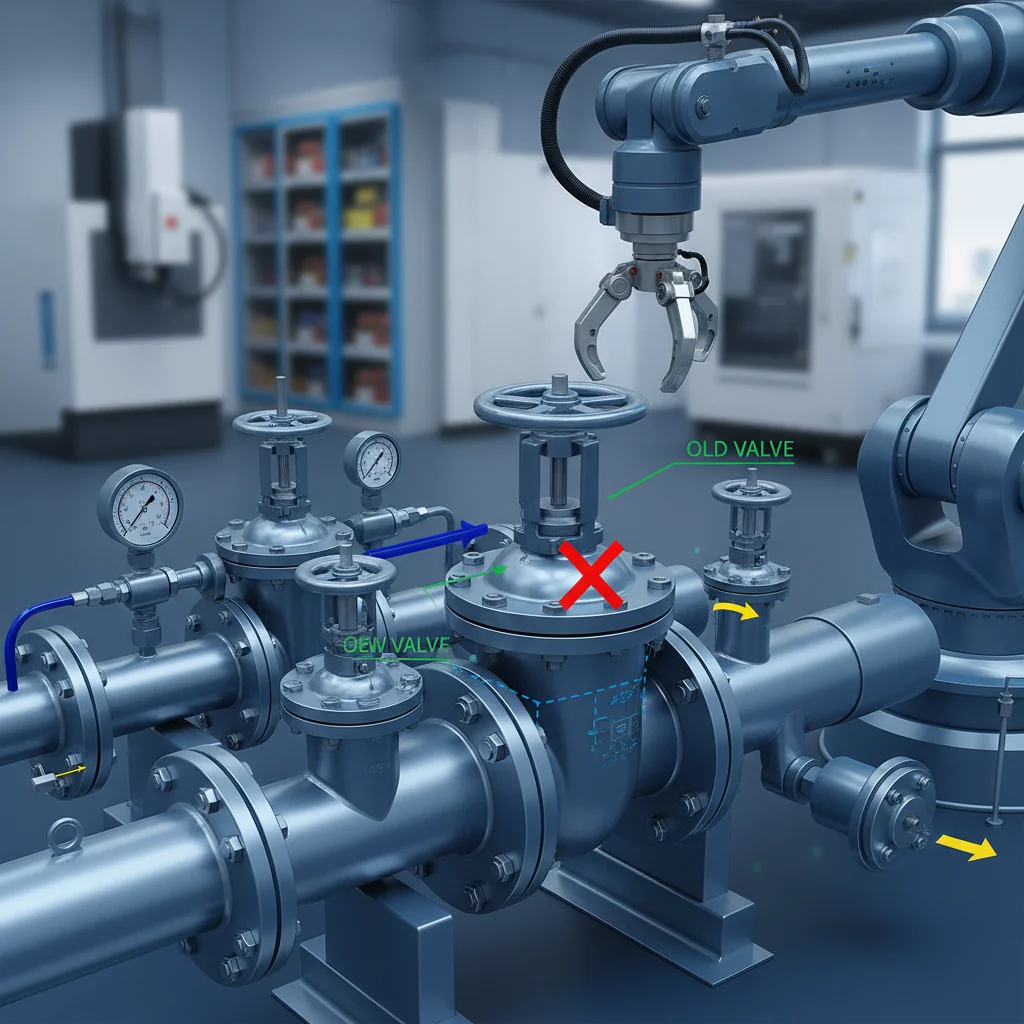
Precision Casting Solutions to Replace Water Valve Components
Precision Casting Solutions to Replace Water Valve Components Engineering high-performance metal valve components with superior durability and casting precision for global industrial fluid control systems. 2000 Annual Output 168 Countries Served 7 Days Sample Lead Time 99.9 On-Time Delivery Industrial Casting Excellence for Valve Systems When you decide to replace water valve components, material integrity and geometric precision are paramount. We combine advanced metallurgical casting with aerospace-grade machining to ensure zero-leakage performance. Advanced Alloy Casting Utilizing high-grade stainless steel and bronze alloys to prevent corrosion in high-pressure water environments, ensuring longevity when you replace water valve units.