



Adjustable Pad Iron Suppliers in China | Industrial Leveling Factory
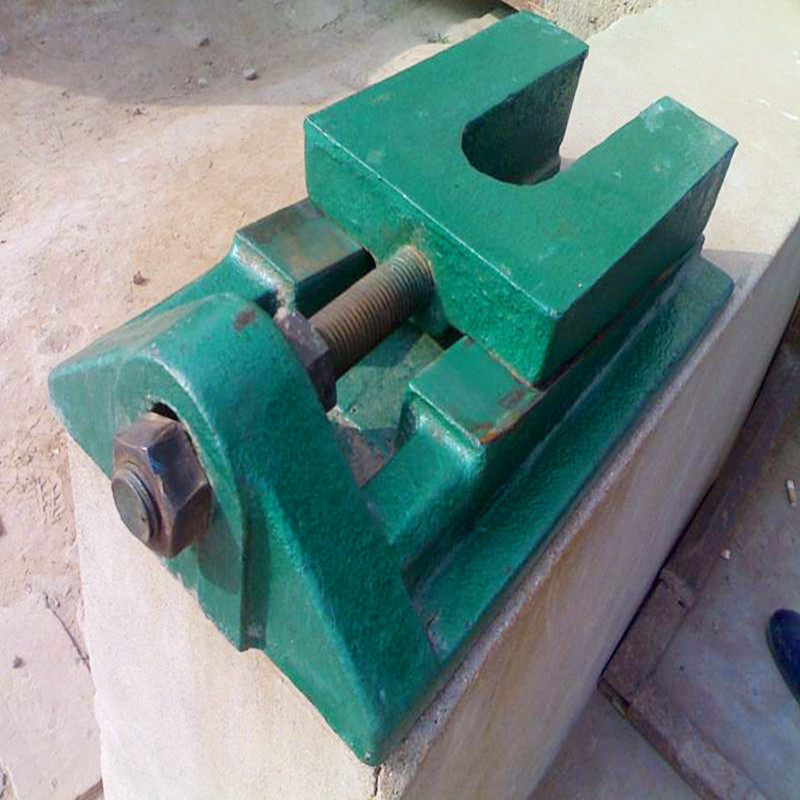
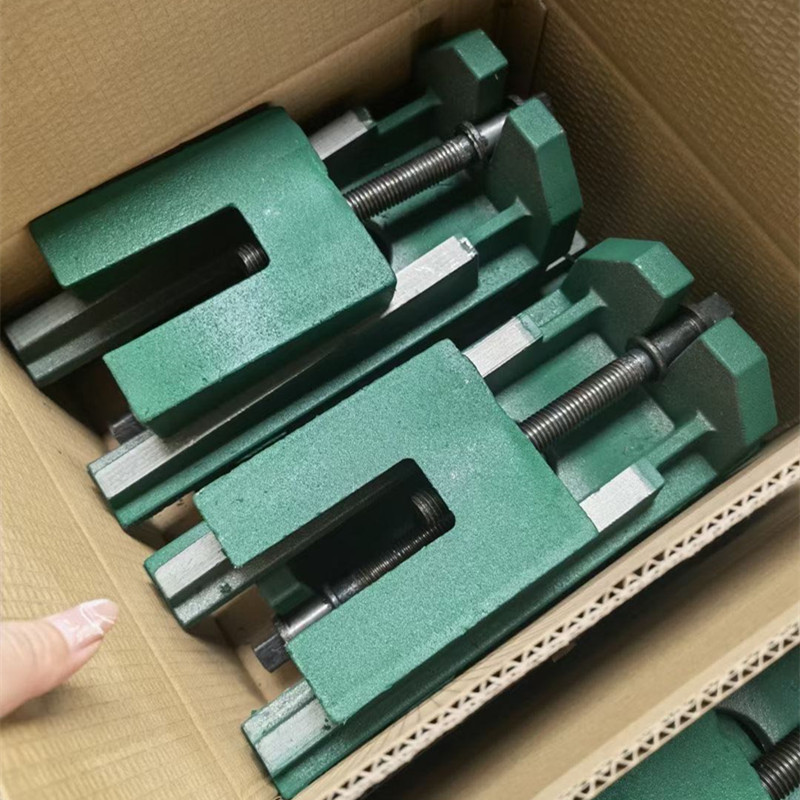
The Storan Adjustable Pad Iron is a high-precision industrial leveling solution engineered for the rigorous demands of manufacturing plants and machinery repair shops. Designed to replace inefficient traditional shims, these adjustable wedge jacks provide a seamless method for supporting and balancing heavy-duty machine tools, ensuring optimal alignment and operational stability without the need for destructive floor drilling or anchor screws.
Constructed from premium QT450 ductile iron with a hardness of 220HB, our pad iron solutions offer an exceptional blend of load-bearing capacity and vibration damping. Whether you are installing high-speed CNC lathes or heavy stamping presses, these mounts effectively isolate high-frequency oscillations, reduce acoustic noise by up to 25dB, and significantly enhance the machining accuracy of your equipment, resulting in lower tool wear and superior part quality.
Detailed Parameters
| Core Material | QT450 Ductile Iron (220HB Hardness) | Adjustable Height | 3mm to 15mm (Standard Range) |
|---|---|---|---|
| Load Capacity | 600kg to 5000kg (Model Dependent) | Surface Finish | Ra ≤ 1.6μm Low-Friction Wedge |
| Vibration Damping | 40% Higher Absorption (20-200Hz) | Noise Reduction | Up to 25dB Reduction |
| Installation Time | Approx. 5 Minutes Per Pad | Warranty Period | 1 Year Standard Warranty |
| Compliance | ISO 9001 Certified / ISO 14694 Standards | Origin | Hebei, China |
Key Advantages
Extreme Durability
Utilizing QT450 ductile iron to prevent deformation under 5000kg loads, ensuring a 3x longer lifespan than traditional steel shims.
Rapid Setup
Continuous height adjustment via threaded bolts reduces installation and leveling time by 70% compared to shim stacking.
Micron Precision
Achieve 0.05mm/m accuracy without machine disassembly, critical for high-tolerance CNC and aerospace machining.
Vibration Isolation
Dual-wedge design absorbs impact energy, reducing tool breakage by 50% and eliminating surface chatter marks.
Universal Compatibility
Fits standard M12-M30 mounting feet and works on concrete or steel floors without requiring anchor bolts.
Corrosion Resistance
Optional zinc-plated and epoxy coatings protect against industrial coolants and lubricants in harsh environments.
Product Gallery


Management Platforms
Load Analysis
Calculate the total machine weight divided by fastening holes to select the ideal bearing capacity model.
Dynamic Alignment
Real-time height adjustment from 3mm to 15mm to optimize the machine center of gravity.
Damping Control
Advanced isolation of 20-200Hz frequencies to protect sensitive electronic components.
Installation Ease
Tool-free positioning under machine feet for zero-damage floor installation.
OEM Customization
Custom non-standard sizes and specialized coatings tailored to your specific industry requirements.
Quality Assurance
Full traceability with load certifications and ISO 9001 quality control standards.
Investment Return Comparison
| Feature | Traditional Shims | Storan Pad Iron |
|---|---|---|
| Setup Time | Hours (Tedious Stacking) | Minutes (Rapid Bolt Turn) |
| Adjustment Precision | Step-based (Fixed thickness) | Continuous (0.05mm/m) |
| Floor Impact | Requires Drilling/Anchors | Zero Damage / No Drilling |
| Vibration Control | Minimal / High Transmission | 45% Reduction / High Damping |
| Maintenance Life | Short (Bends under load) | Long (Ductile Iron Strength) |
Frequently Asked Questions
Divide the total weight of the machine tool by the number of fastening holes on the base. It is also recommended to consider the center of gravity to determine if specific pads need a higher load rating.
Yes, Storan pad irons are designed for universal fitment and are fully compatible with concrete, steel, and composite industrial flooring.
QT450 ductile iron offers superior compressive strength and vibration damping properties, preventing the deformation often seen in thin steel shims under loads exceeding 1000kg.
No. One of the primary advantages of our adjustable wedge design is that it requires no drilling or anchor screws, preserving the integrity of your factory floor.
Our anti-vibration pads can reduce operational noise by approximately 25dB, creating a safer acoustic environment and reducing fatigue for operators.
Yes, we provide professional OEM services for non-standard dimensions and specialized protective coatings to meet specific industrial requirements.
Ready to Optimize Your Machine Precision?
Contact UsRelated PRODUCTS


RELATED NEWS

Industrial T Groove Ground Rail and 2 inch gate valve price
When engineering high-precision industrial assembly lines, the choice of workholding stability often dictates the final quality of the output. While many procurement managers focus on the 2 inch gate valve price or similar valve components for fluid control, the structural foundationspecifically the use of cast iron T-groove ground railsis where actual precision is won or lost. These heavy-duty linear systems provide a modular alternative to massive surface plates, offering the rigidity needed for aerospace and automotive assembly without the prohibitive cost and space requirements of solid iron blocks. Storaen specializes in these critical foundational tools, utilizing advanced resin sand casting

Industrial 3 inch gate valve price and Performance Guide
When evaluating the 3 inch gate valve price, procurement managers often struggle to balance the immediate capital expenditure with the long-term operational reliability of the fluid control system. In the heavy industrial sector, a valve is not merely a component but a critical safety barrier that must maintain a tight seal under varying pressures and temperatures. The cost of a 3-inch unit varies significantly based on material grade, pressure ratings, and the precision of the casting process, making a nuanced understanding of value drivers essential for reducing total cost of ownership.

Industrial 4 inch gate valve price and value analysis guide
When procurement managers evaluate the 4 inch gate valve price , they are often balancing immediate capital expenditure against the operational reliability of their fluid control systems. A gate valve is a critical component in industrial piping, designed to provide a tight seal for on-off flow control. Understanding the cost structure requires a deep dive into metallurgy, casting precision, and the specific demands of the application environment. In the B2B industrial sector, the cost of a valve is rarely a fixed number; it is a variable dictated by the intersection of material grade, pressure class, and manufacturing tolerances.