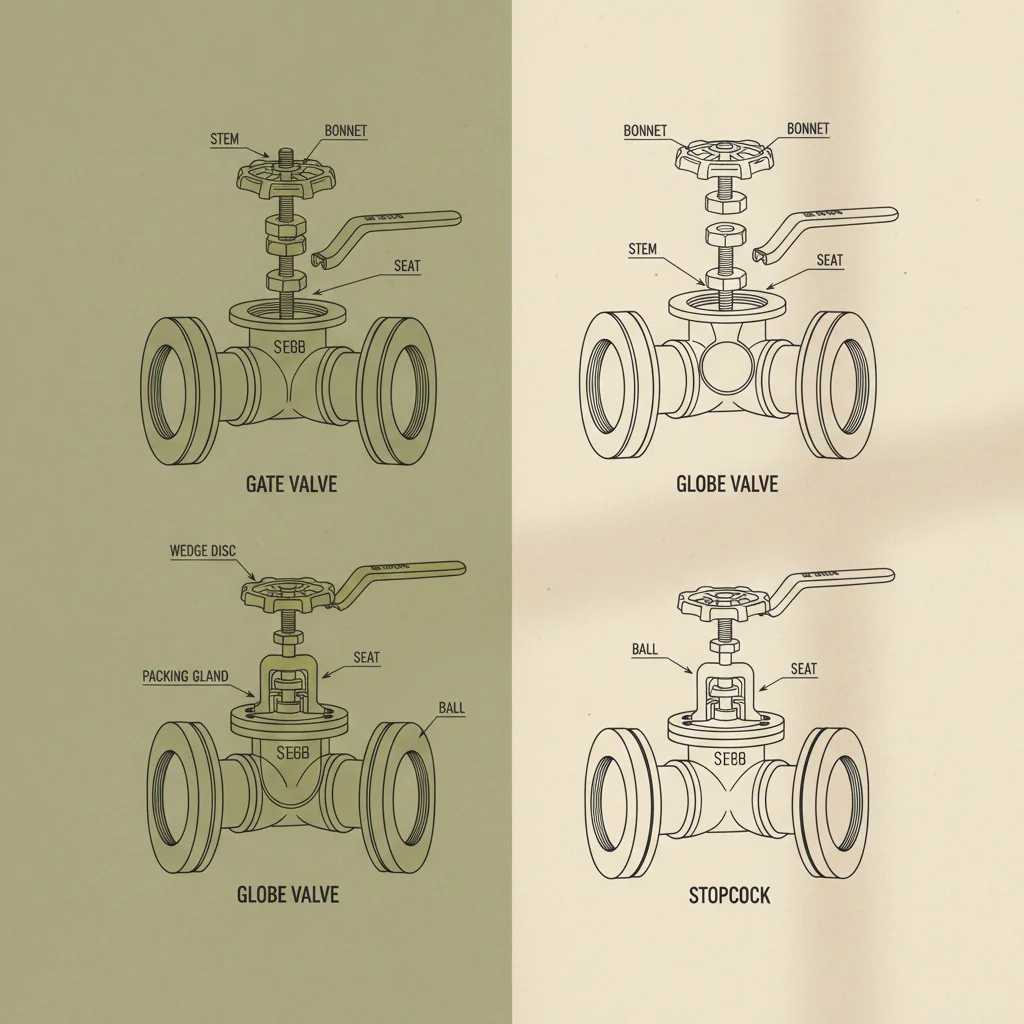
You know, lately everyone's talking about 'smart' water valve types. Smart! As if a valve needs to think. But to be honest, the push for automation is real. They want remote monitoring, predictive maintenance… stuff that sounds good in a boardroom, but out on site, you’re still dealing with rust, pressure, and a wrench. It's a big shift from the old days, that’s for sure.
And what I’ve noticed is, a lot of designers forget what it’s *like* to actually use these things. They overcomplicate the handle, use materials that look fancy but can’t stand up to grime, or design an interface that's impossible to reach with gloves on. I encountered this at a factory in Ningbo last time. They had this brand-new, high-tech valve, all gleaming stainless steel... but the turning radius was awful, and the threads started stripping after just a few cycles.
We’re mostly looking at cast iron for the body – still the workhorse, smells like… well, iron. Then you've got bronze for the internals, especially the seats and discs. Feels heavy, solid. Sometimes stainless, of course, 316 is the go-to for corrosive environments. But it’s cold, you know? Doesn't have the same reassuring heft as cast iron. Polymer seals are everywhere now too – Viton, EPDM, PTFE. They're good, but you gotta be careful with the chemicals you use around them. I've seen seals dissolve faster than you can say "o-ring."
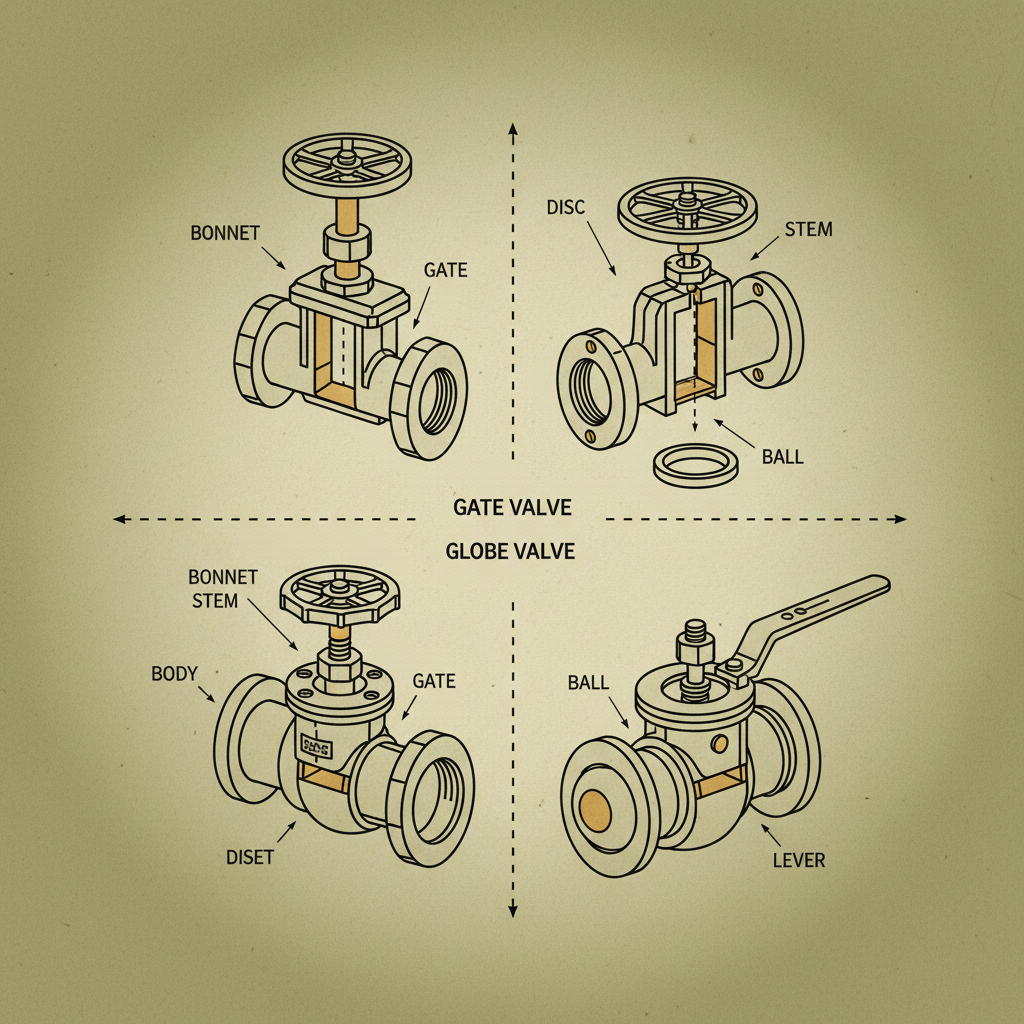
Understanding the Evolution of water valve types
Strangely, people think valves are a new invention. They're not. They've been around forever, evolving slowly. Started with simple wooden plugs, then bronze, then iron. The biggest jump? The standardization of threads – NPT, BSP, all that stuff. Before that, everything was custom, a nightmare to maintain.
Now, we're seeing a move towards more automated control. Ball valves with pneumatic actuators, butterfly valves with electric motors. It’s all about getting more precision and reducing manual labor. But let's be real, a lot of these "smart" features are just marketing hype. You still need a guy to go out there and check the flange connections.
Common Design Pitfalls in water valve types
I see the same mistakes over and over. Too many moving parts. Cheap seals. Designs that look good on paper but are a pain to assemble in the field. And the worst? Ignoring the environment. Designing a valve for clean water and then expecting it to work in a sewage treatment plant. That’s just asking for trouble.
Another thing: accessibility. You gotta be able to get to the packing gland without dismantling the entire valve. Seems obvious, right? But you'd be surprised. I once spent a whole day trying to replace a packing on a valve that was buried inside a concrete wall. It was… unpleasant.
And don’t even get me started on valves with proprietary tools. What happens when you’re in the middle of nowhere and the tool breaks? You’re screwed. Simple, standard tools are always best.
Material Science Behind Water Valve Types
You need to understand the materials. Cast iron is brittle, but it’s cheap and strong under pressure. Stainless steel is corrosion-resistant, but expensive and can suffer from galvanic corrosion if paired with the wrong materials. Polymers are flexible and lightweight, but prone to degradation from UV and chemicals.
And it's not just about the material itself, it’s about how it's processed. Heat treatment, surface coatings, the quality of the casting… all that stuff matters. I was talking to a metallurgist at a foundry last year, and he said they can tweak the composition of the iron to get different properties. It's a surprisingly complex science.
And don't forget the rubber components! They might seem simple, but getting the right durometer and chemical compatibility is crucial. A cheap o-ring can fail quickly, leading to leaks and downtime.
Real-World Testing of Water Valve Types
Lab tests are fine, but they don't tell the whole story. You need to see how these valves perform under real-world conditions. I've seen valves pass every lab test imaginable, and then fail miserably on the first day of operation.
The best testing? Put it on a site, hook it up to the system, and let it run. Subject it to pressure surges, temperature fluctuations, vibration, everything. And listen to the guys who are using it. They'll tell you what works and what doesn't.
Water Valve Types Performance Metrics
User Applications & Unexpected Uses of Water Valve Types
People mostly think of water distribution, sewage, irrigation. But valves show up everywhere. Power plants use them for steam control. Chemical processing plants use them for all sorts of corrosive fluids. I even saw a guy using a ball valve as a makeshift fuel shutoff on a modified tractor. Ingenious, but probably not code-compliant.
What's surprising is how often people repurpose valves for things they weren’t designed for. Like using a globe valve as a flow restrictor. It works, but it’s not efficient and can cause cavitation. They don't think about the consequences, they just want it to *work* right now.
The Advantages and Disadvantages of Modern Water Valve Types
The biggest advantage of modern valves? Precision control. You can regulate flow more accurately, automate processes, and monitor performance remotely. But all that comes at a cost. They're more expensive, more complex, and require more training to maintain.
And frankly, a lot of the "smart" features are overkill. Do you really need a valve that sends you an email when the pressure drops? Probably not. A simple pressure gauge and a good mechanic are usually enough.
But I will say, the improved sealing technology is a game changer. Less leakage means less wasted water and less environmental impact. That’s a real win.
Customization Options for Water Valve Types
You always need some level of customization. Standard valves rarely fit every application perfectly. Different flange connections, actuator types, materials, coatings… you name it.
I once had a customer who needed a ball valve with a special alloy for handling a highly corrosive fluid. They wanted a specific surface finish to minimize friction. It was a pain to source, but we got it done.
Last month, that small boss in Shenzhen who makes smart home devices insisted on changing the interface to , even though it wasn’t necessary for the application. The result was a delay, increased costs, and a valve that was unnecessarily complicated. But he was adamant. "It's about the future!" he said. Anyway, I think he just wanted to brag about using the latest technology.
Quick Reference Chart of Common Water Valve Types
| Valve Type |
Typical Application |
Maintenance Complexity (1-10) |
Cost (Relative) |
| Gate Valve |
Water Distribution |
4 |
Low |
| Globe Valve |
Flow Regulation |
6 |
Medium |
| Ball Valve |
Quick Shutoff |
3 |
Medium |
| Butterfly Valve |
Large Diameter Flows |
5 |
Low |
| Check Valve |
Preventing Backflow |
2 |
Low |
| Pinch Valve |
Slurry Control |
7 |
Medium-High |
FAQS
Honestly? Not considering the fluid. A valve that works perfectly with clean water will corrode quickly with saltwater or sewage. You need to know the pH, the temperature, the chemical composition. It’s basic stuff, but people often overlook it. A cheap valve now means a costly repair later.
Critical. Absolutely critical. A neglected valve is a failure waiting to happen. Regular inspections, lubrication, packing replacement… it all adds up to less downtime and fewer emergencies. I’ve seen entire plants shut down because someone skipped a simple maintenance check.
Ball valves are for quick shutoff, simple operation. Think on/off. Gate valves are for throttling flow, but they're slower to operate and can cause erosion if used improperly. Ball valves are generally more reliable, but gate valves can handle higher pressures in some cases.
They have potential, but they're not a magic bullet. The sensors can fail, the communication can be disrupted, and the software can be buggy. They're a tool, and like any tool, they need to be used properly. Don’t rely on them completely; always have a backup plan.
Stainless steel 316 is your best bet, but even that needs regular inspection. Duplex stainless steel is even better, but it’s more expensive. Avoid carbon steel and standard stainless steel in saltwater – they’ll corrode quickly. The coating needs to be spot on, too.
If the body is corroded, if the seat is damaged beyond repair, or if the valve is leaking excessively even after multiple repairs, it's time to replace it. Don't waste time and money trying to fix something that's fundamentally broken. Sometimes, it’s just cheaper to start fresh.
Conclusion
So, yeah, water valve types. It’s not glamorous work, but it’s essential. They’re the unsung heroes of modern infrastructure. We’ve come a long way from wooden plugs, and the technology is continuing to evolve, but the fundamental principles remain the same: choose the right material, maintain it properly, and understand the application.
Ultimately, whether this thing works or not, the worker will know the moment he tightens the screw. It all comes down to practicality, and the feel of quality in your hands. Don't overthink it. Get the job done.