

Feb . 24, 2026 11:20 Back to list
Comprehensive Guide to Selecting the Right 4 Inch Check Valve for Your System
Understanding 4 Inch Check Valves: A Comprehensive Guide
Check valves are essential components in piping systems, preventing backflow and ensuring fluid travels in the desired direction. A 4 inch check valve is a commonly used size, suitable for a wide range of industrial and commercial applications. This article will explore the function, types, applications, and selection criteria for 4 inch check valves, providing valuable insight for engineers, procurement professionals, and anyone involved in fluid handling systems. Choosing the right check valve is crucial for system efficiency and longevity.
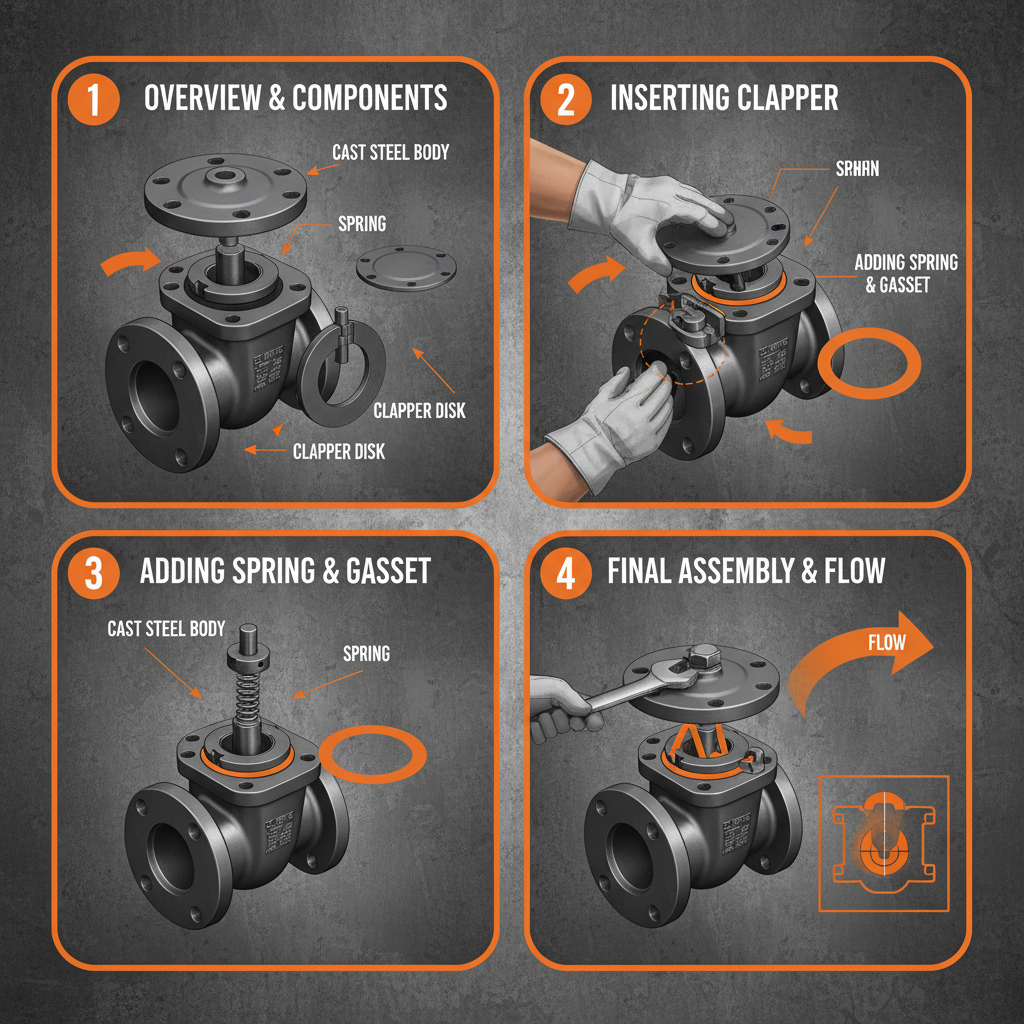
How Do 4 Inch Check Valves Work?
A 4 inch check valve operates on a simple principle: it allows fluid to flow in one direction and automatically prevents backflow. The internal mechanism opens with forward flow and closes immediately when flow reverses. This prevents contamination, protects pumps from damage, and maintains system pressure. These valves are passive devices – they require no external power or control to function. They are critical in applications where maintaining unidirectional flow is paramount for safety and operational integrity. SR Machinery offers a diverse range of check valves to meet various fluid handling needs.
Key Benefits: Prevents backflow, protects equipment, maintains system pressure, requires no external power, and is reliable and low-maintenance.
Common Types of 4 Inch Check Valves
Several types of 4 inch check valves are available, each suited for different applications and fluid characteristics. The most common include swing check valves, lift check valves, ball check valves, and duckbill check valves. Swing check valves use a hinged disc that swings open with forward flow and closes against a seat to prevent backflow. Lift check valves utilize a disc that lifts off the seat with flow. Ball check valves employ a ball that seats against an orifice. Duckbill check valves use flexible lips to create a seal. The best choice depends on factors like fluid type, pressure, temperature, and flow rate.
Check Valve Type Comparison:
• Swing Check Valve: Low pressure drop, common for water and general purpose fluids.
• Lift Check Valve: Good for high-pressure applications and minimal headloss.
• Ball Check Valve: Suitable for slurry and viscous fluids.
• Duckbill Check Valve: Ideal for low-pressure applications and handling solids.
Applications of 4 Inch Check Valves
4 inch check valves are widely used across numerous industries. In wastewater treatment plants, they prevent backflow from treatment processes. In chemical processing, they safeguard against contamination and maintain precise fluid control. They are essential in pumping stations to protect pumps from reverse rotation. They are also found in irrigation systems, fire protection systems, and oil and gas pipelines. The versatility of these valves makes them a crucial component in many fluid handling systems. SR Machinery's 4 inch check valves are designed to withstand demanding industrial environments.
Selecting the Right 4 Inch Check Valve
Choosing the appropriate 4 inch check valve requires careful consideration of several factors. Fluid type, operating pressure, temperature, and potential for water hammer are all crucial. Material compatibility is also vital – ensure the valve body and internals are resistant to the fluid being handled. Consider the flow rate and pressure drop characteristics of different valve types. For abrasive fluids, a hardened material or a specific valve design may be necessary. Proper sizing and installation are essential for optimal performance and longevity. SR Machinery provides expert assistance in selecting the best check valve for your specific needs.
Material Considerations for 4 Inch Check Valves
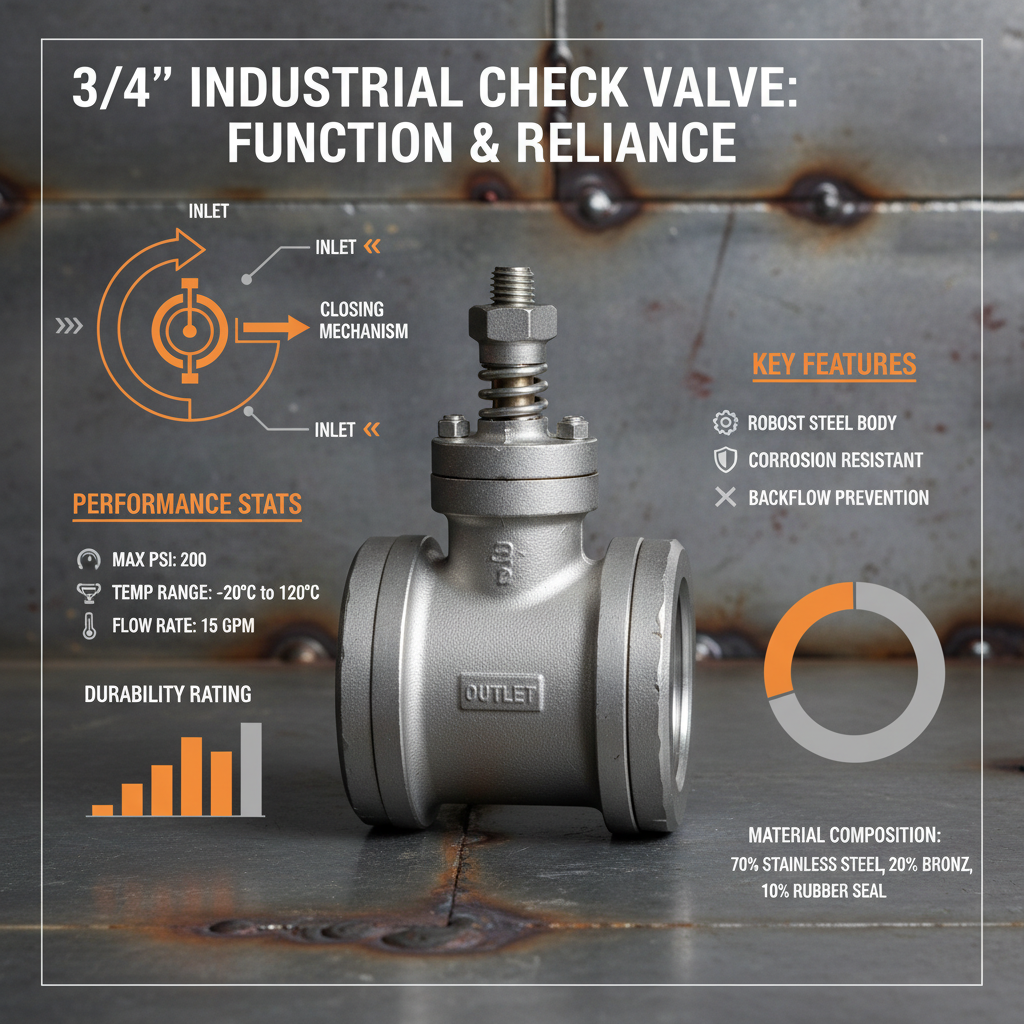
4 inch check valves are constructed from various materials depending on the application. Common materials include cast iron, stainless steel, PVC, and brass. Cast iron is a cost-effective option for general-purpose applications, but it's susceptible to corrosion. Stainless steel offers excellent corrosion resistance and is ideal for aggressive fluids. PVC is a lightweight and affordable choice for non-corrosive applications. Brass provides good corrosion resistance and is often used in potable water systems. The selection of material should align with the fluid’s chemical properties and the operating environment.
Conclusion: Ensuring Optimal Flow with 4 Inch Check Valves
A correctly specified and installed 4 inch check valve is crucial for the efficient and reliable operation of any fluid handling system. Understanding the different types, materials, and applications is essential for making the right choice. SR Machinery provides a comprehensive range of high-quality 4 inch check valves and expert support to help you optimize your fluid control processes.
Frequently Asked Questions (FAQs)
What is the typical pressure rating for a 4 inch check valve?
The pressure rating for a 4 inch check valve varies significantly depending on the valve type, material, and manufacturer. Common pressure ratings range from 125 PSI to 600 PSI, and even higher for specialized valves. It's crucial to select a valve with a pressure rating that exceeds the maximum operating pressure of your system to ensure safety and prevent failure. Always refer to the valve's datasheet for its specific pressure rating. SR Machinery provides detailed specifications for all our valves.
What maintenance is required for a 4 inch check valve?
While check valves are generally low-maintenance, periodic inspection is recommended. Check for any signs of leakage, corrosion, or damage. Ensure the disc or ball moves freely and seats properly. Clean the valve body periodically to remove any buildup of debris. For valves used in harsh environments, more frequent inspection and maintenance may be necessary. Regular preventative maintenance can extend the valve’s lifespan and prevent costly downtime.
Can a 4 inch check valve be installed in any orientation?
The installation orientation of a 4 inch check valve depends on the valve type. Swing and lift check valves are typically installed horizontally or vertically with the flow directed upwards. Vertical installations with downward flow are generally not recommended as debris can accumulate and obstruct the valve's operation. Ball check valves can usually be installed in any orientation. Always refer to the manufacturer’s instructions for specific installation guidelines.
-
Precision Engineering for Industrial Valves Cast ComponentsNews04 . Wed, 2026
-
Guide to replacing main water shut off valve for property safetyNews04 . Mon, 2026
-
Guide on Which Way to Turn Water Valve Off for Home and IndustryNews04 . Fri, 2026
-
Understanding why is the water shut off valve critical for safetyNews04 . Thu, 2026
-
How to effectively replace water shut off valve for system safetyNews04 . Wed, 2026
-
Industrial Water Valve Replacement and Precision Maintenance GuideNews04 . Fri, 2026
Related PRODUCTS