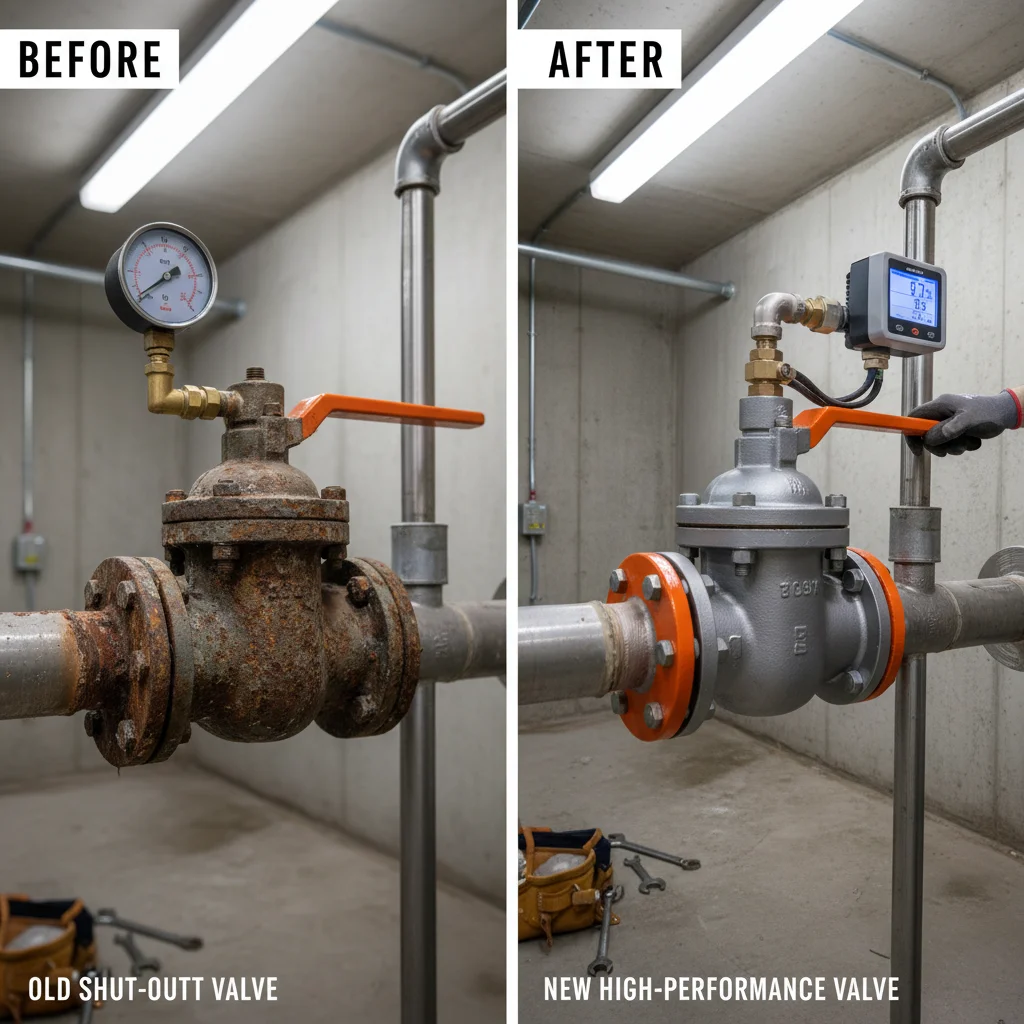
The reliable transport of water is fundamental to modern life, and the metal water valve plays a crucial, often unseen, role in ensuring its safe and efficient delivery. From municipal water systems supplying our homes to complex industrial processes, these valves regulate flow, prevent backflow, and maintain system integrity. Understanding the design, application, and evolving technology surrounding metal water valves is essential for engineers, technicians, and anyone involved in water management. The importance of durable, dependable water control mechanisms cannot be overstated, particularly in regions facing water scarcity or aging infrastructure.
Globally, the demand for clean water is increasing, driven by population growth and industrial expansion. This places immense strain on existing water infrastructure, highlighting the critical need for robust and efficient components like the metal water valve. The United Nations estimates that billions of people still lack access to safe water, and effective water management is a key Sustainable Development Goal. The longevity and reliability of metal water valve systems directly impact public health, economic productivity, and environmental sustainability.
Addressing the challenges of aging infrastructure and increasing demand requires a focus on quality, innovation, and sustainable practices in the design and implementation of water control systems. The metal water valve, as a core component, is central to achieving these goals.
The Significance of Metal Water Valves
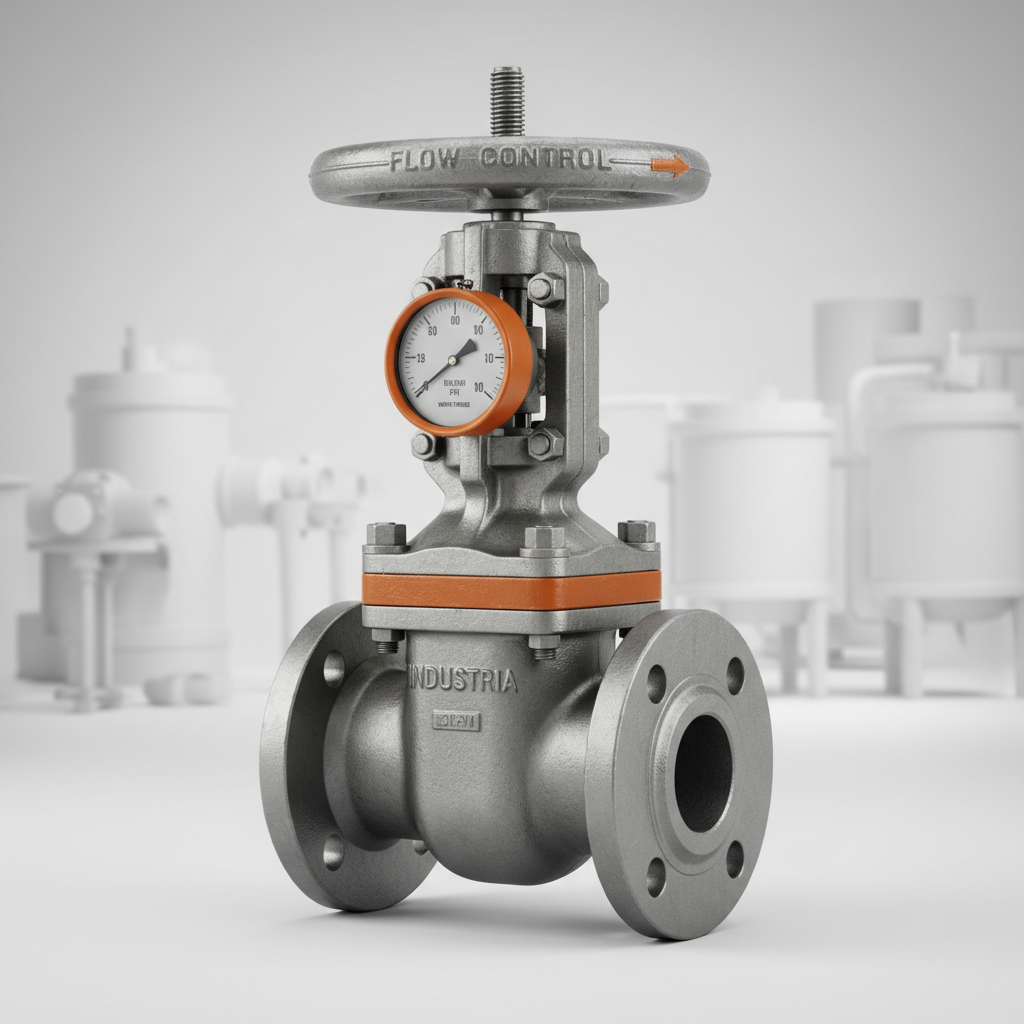
Metal water valves are not merely components; they are the gatekeepers of our water resources, ensuring consistent and controlled flow for a myriad of applications. Their robustness, particularly when constructed from materials like stainless steel, brass, or ductile iron, provides long-term reliability in demanding environments. Proper selection and maintenance of these valves are critical to preventing leaks, reducing water waste, and safeguarding public health.
The longevity of a metal water valve directly impacts the lifespan and efficiency of entire water systems. Investing in high-quality valves reduces the need for frequent repairs and replacements, minimizing downtime and lowering overall lifecycle costs. This makes them a cost-effective solution for both large-scale infrastructure projects and smaller residential applications.
Defining Metal Water Valves
A metal water valve is a mechanical device designed to control the flow of water within a piping system. Unlike plastic valves, metal valves offer superior strength, durability, and resistance to corrosion, making them suitable for a wide range of applications where water quality and pressure are critical. They function by opening, closing, or partially obstructing a pathway to regulate water movement.
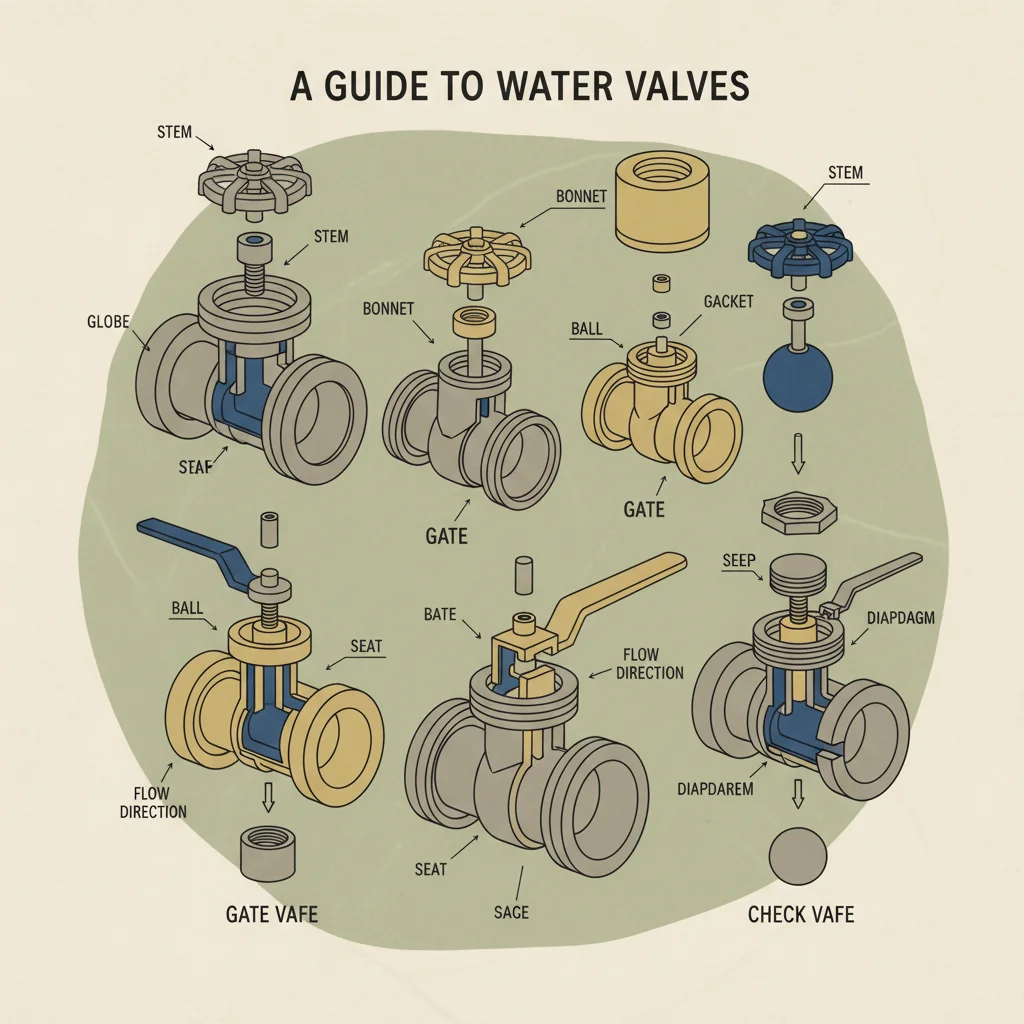
These valves are essential in modern industrial processes, municipal water treatment plants, irrigation systems, and residential plumbing. Their design varies depending on the specific application, encompassing gate valves, globe valves, check valves, ball valves, and butterfly valves, each with unique characteristics suited to different flow control needs.
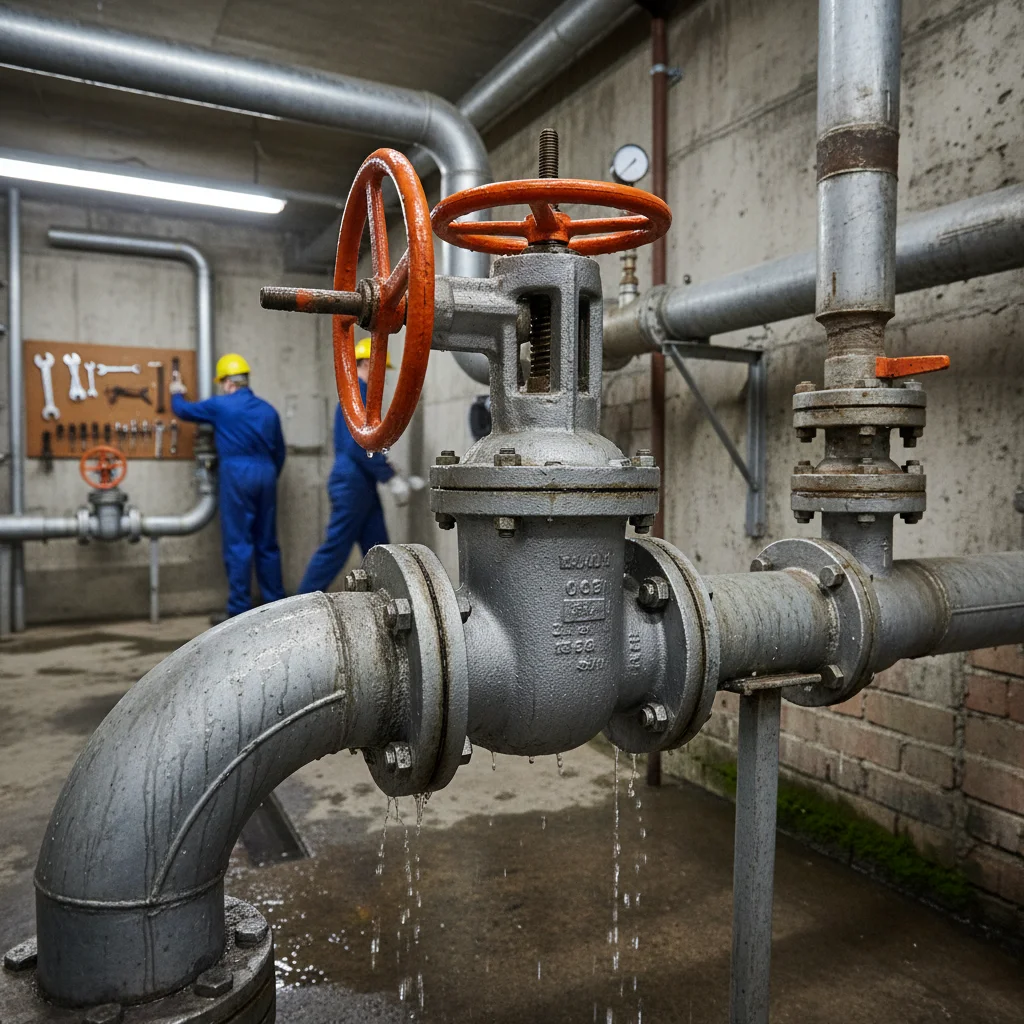
The connection of a metal water valve to modern infrastructure is integral, facilitating efficient resource management and safe water distribution across various sectors.
Core Components and Characteristics
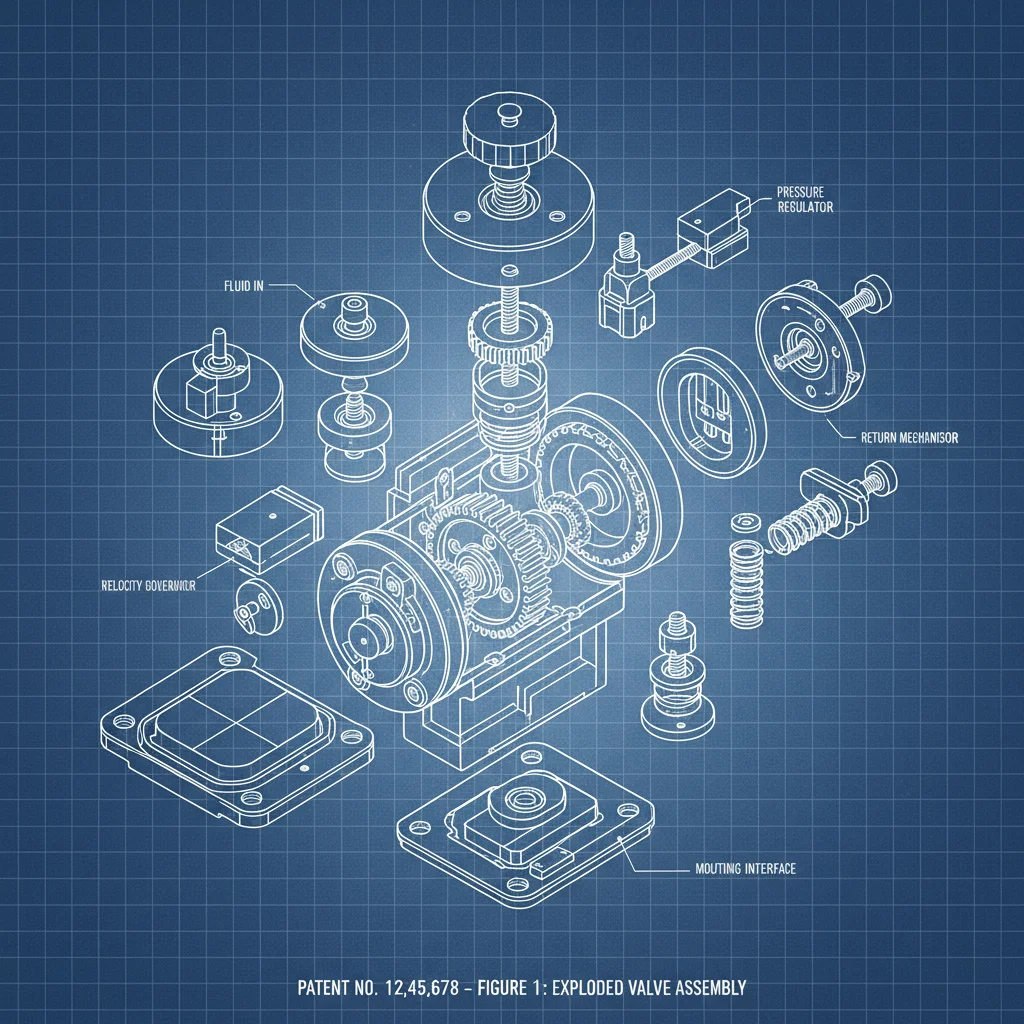
Durability is paramount in the design of metal water valves. Materials like stainless steel, brass, and ductile iron are chosen for their resistance to corrosion, erosion, and high pressures. This ensures a long service life and minimizes the risk of failure, even in harsh operating conditions. The valve body, disc, stem, and seat are all critical components contributing to overall durability.
Another crucial characteristic is leak-proof sealing. Precision engineering and tight tolerances between the valve components are essential to prevent water leakage, reducing waste and maintaining system pressure. Different sealing materials, such as elastomers and graphite, are used depending on the fluid type and temperature requirements. A properly sealed metal water valve is fundamental for efficient operation.
Flow control precision is also key, especially in industrial applications where precise metering or regulation is required. Valve designs such as globe valves and butterfly valves offer varying degrees of flow control accuracy. The ability to accurately regulate water flow minimizes energy consumption and optimizes process efficiency. Furthermore, ease of maintenance is a vital characteristic, allowing for quick inspection, repair, and replacement of valve components.
Key Performance Indicators of Metal Water Valves
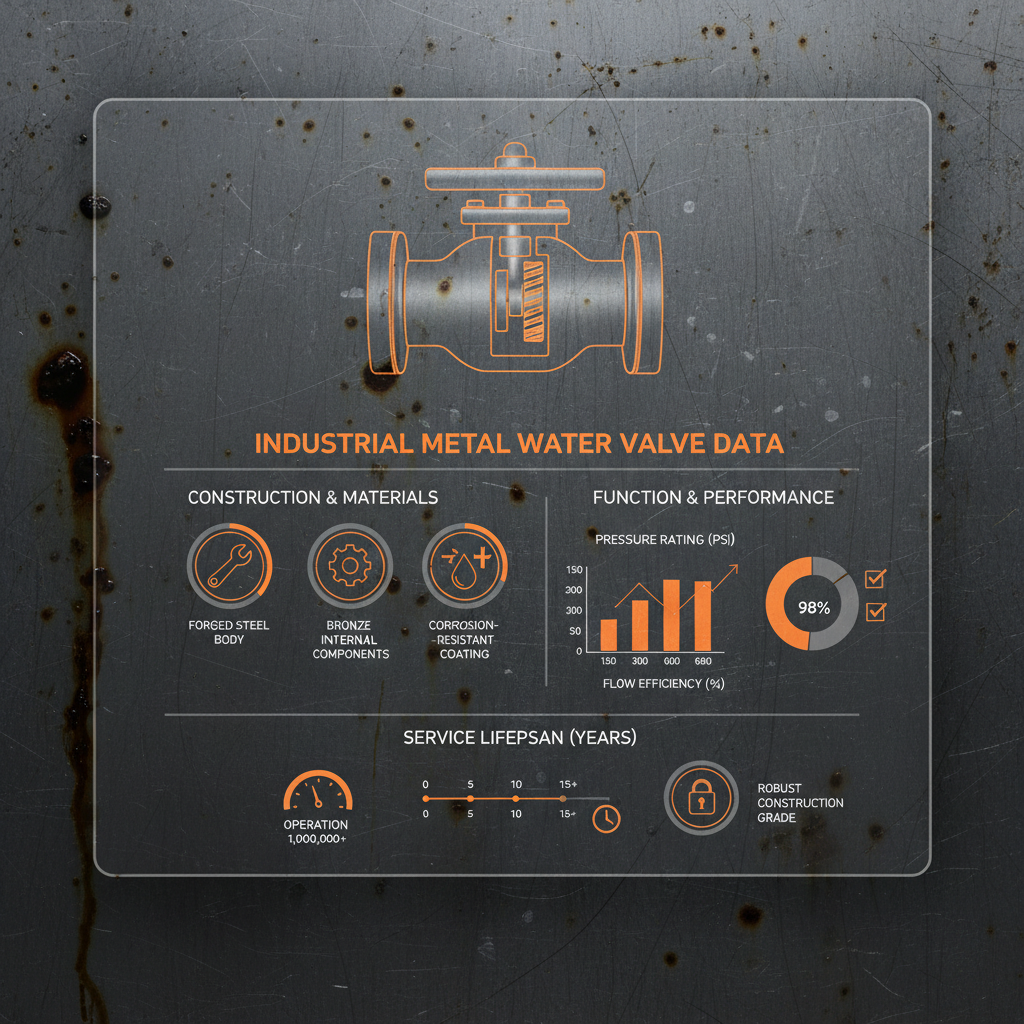
Assessing the performance of a metal water valve requires consideration of several key indicators. Pressure rating, representing the maximum pressure the valve can withstand, is crucial for safety and reliability. Flow coefficient, or Cv, measures the valve's capacity to allow fluid flow, impacting system efficiency.
Leakage rate, measured in units like milliliters per minute, indicates the effectiveness of the valve's sealing mechanism. A low leakage rate is essential for minimizing water waste. Operational torque, the force required to open or close the valve, influences the ease of operation and actuator selection. These KPIs help ensure the selection of the optimal metal water valve for a specific application.
Metal Water Valve Performance Indicators
Global Applications and Industry Impact
Metal water valves are indispensable in municipal water treatment plants, ensuring the safe and reliable delivery of potable water to communities worldwide. They regulate flow through filtration systems, control reservoir levels, and prevent backflow contamination. In the agricultural sector, they are vital components of irrigation systems, optimizing water distribution to crops and enhancing yields.
Industrial applications span diverse sectors, including power generation, chemical processing, and oil and gas refining. In these environments, metal water valve systems control coolant flow, regulate process fluids, and prevent equipment damage. In remote industrial zones, their reliability is critical for uninterrupted operations.
Furthermore, they play a critical role in fire protection systems, providing rapid and reliable water flow during emergencies. From skyscrapers to residential complexes, these valves safeguard lives and property.
Advantages and Long-Term Value Proposition
The primary advantage of metal water valves lies in their exceptional durability and long service life. This translates into reduced maintenance costs, minimized downtime, and lower lifecycle expenses compared to plastic alternatives. Their resistance to corrosion and extreme temperatures ensures reliable operation in harsh environments.
From a sustainability perspective, the longevity of these valves contributes to resource conservation by reducing the need for frequent replacements. Their robust construction minimizes water leakage, conserving this precious resource. The long-term value proposition extends beyond economic benefits, encompassing environmental responsibility and public safety.
Future Trends and Technological Advancements
The future of metal water valve technology is focused on smart valves equipped with sensors and actuators for remote monitoring and control. These “intelligent” valves can provide real-time data on flow rates, pressure levels, and valve status, enabling predictive maintenance and optimizing system performance. Digital integration and automation are key drivers of this trend.
Advanced materials research is also yielding valves with enhanced corrosion resistance and improved sealing capabilities. New alloys and coatings are extending valve lifespan and reducing maintenance requirements. The integration of sustainable manufacturing practices and the development of eco-friendly materials are also gaining prominence, aligning with global sustainability goals.
Challenges and Solutions
One persistent challenge is corrosion, particularly in aggressive water chemistries. Solutions include utilizing advanced alloy materials like duplex stainless steel or applying protective coatings. Another challenge is dealing with deposits and scaling that can impede valve operation. Regular maintenance and the implementation of filtration systems can mitigate these issues.
The complexity of integrating smart valves into existing infrastructure poses a challenge to widespread adoption. Addressing this requires standardized communication protocols and interoperability between different systems. The costs associated with smart valve technology can also be a barrier to entry for some organizations.
Ultimately, proactive maintenance, utilizing advanced materials, and investing in smart valve technologies will ensure metal water valve systems remain efficient and reliable for years to come.
Summary of Metal Water Valve Challenges and Mitigation Strategies
| Challenge |
Impact on System |
Mitigation Strategy |
Cost Estimate |
| Corrosion |
Reduced valve lifespan, potential leaks |
Employ duplex stainless steel or coatings |
$500 - $2000 per valve |
| Scaling & Deposits |
Reduced flow rate, operational issues |
Filtration systems & regular cleaning |
$100 - $500 per year |
| Integration Complexity |
Delayed deployment of smart valve technology |
Standardized communication protocols |
$2000 - $10000 (system-wide) |
| High Initial Cost |
Barrier to adoption of advanced technologies |
Phased implementation & long-term ROI analysis |
Variable depending on scale |
| Lack of Skilled Personnel |
Improper Installation & Maintenance |
Comprehensive Training Programs |
$500 - $2000 per technician |
| System Compatibility Issues |
Data Silos & Reduced Operational Efficiency |
Open Architecture Systems & API Integration |
$1000 - $5000 (integration costs) |
FAQS
Each valve type serves a distinct purpose. Gate valves provide full flow with minimal pressure drop, ideal for on/off control. Globe valves regulate flow precisely but introduce greater pressure loss. Check valves prevent backflow, ensuring unidirectional flow. Ball valves offer quick on/off control with minimal pressure drop. Selecting the right type depends on the application's specific requirements. Considering the fluid type and operating conditions is also essential.
Regular inspection, at least annually, is crucial for maintaining optimal performance. Look for signs of corrosion, leaks, or wear and tear. Lubricate valve stems and packing glands as needed. Implement a preventative maintenance schedule based on operating conditions and manufacturer recommendations. More frequent inspections are necessary in harsh environments or critical applications.
Common materials include cast iron, ductile iron, stainless steel, and brass. Cast iron is economical but susceptible to corrosion. Ductile iron offers higher strength and ductility. Stainless steel provides excellent corrosion resistance. Brass is suitable for potable water applications due to its lead-free properties. Material selection depends on the fluid type, pressure, temperature, and environmental conditions.
Valve size must match the piping system’s diameter to avoid flow restrictions and pressure loss. Consult flow rate calculations to determine the appropriate valve size. The pressure rating must exceed the maximum system pressure to ensure safe operation. Consider factors like water hammer and surge pressure when selecting the pressure rating. Always refer to industry standards and manufacturer specifications.
Look for certifications like NSF/ANSI 61 for potable water applications, ensuring the valve materials are safe for contact with drinking water. ISO 9001 certification indicates the manufacturer follows quality management systems. API standards are relevant for valves used in the oil and gas industry. Adherence to these standards ensures quality, reliability, and safety.
Smart valves offer remote monitoring, automated control, and real-time data analysis, leading to improved efficiency and reduced maintenance costs. They can detect leaks, predict failures, and optimize flow rates. Traditional valves lack these capabilities, requiring manual inspection and control. Smart valves enable proactive maintenance and optimize resource utilization.
Conclusion
In conclusion, the metal water valve remains a critical component of modern infrastructure, ensuring the safe, reliable, and efficient delivery of water resources. Understanding its core principles, applications, and future trends is essential for professionals in various fields. From minimizing water waste to safeguarding public health, these valves play an unsung but vital role in our daily lives.
Looking ahead, the integration of smart technologies, advanced materials, and sustainable manufacturing practices will further enhance the performance and longevity of metal water valves. Investing in quality valves and proactive maintenance strategies will yield long-term benefits, contributing to a more sustainable and resilient water future. Visit our website at www.strmachinerys.com to explore our range of metal water valve solutions.