
• product_cate
0%

Table of Contents

Water valves are fundamental components in countless systems globally, regulating the flow of this essential resource. From providing clean drinking water to homes and businesses to supporting complex industrial processes and agricultural irrigation, their reliable operation is critical for modern life. Understanding the different types, applications, and emerging technologies surrounding water valves is paramount for engineers, technicians, and anyone involved in water management. Properly functioning water valves ensure efficiency, safety, and sustainability in diverse sectors.

The global demand for water is increasing due to population growth, urbanization, and climate change. This rising demand places immense pressure on existing water infrastructure, necessitating advancements in valve technology to minimize leaks, optimize flow, and reduce waste. Moreover, stringent environmental regulations are driving the need for valves that contribute to water conservation and pollution control. The effective management of water valves is a key component in meeting these challenges and ensuring water security for future generations.

Investing in robust and innovative valve solutions isn't just a technical imperative; it's an economic and social one. Efficient water distribution systems reduce operational costs, enhance agricultural yields, and safeguard public health. Furthermore, advancements in smart valve technology allow for real-time monitoring and remote control, enabling proactive maintenance and preventing costly disruptions.
water valves

Introduction: Global or Industry Context

The United Nations estimates that over two billion people currently live in water-stressed countries, and this number is expected to rise significantly in the coming decades. This scarcity directly impacts agriculture, sanitation, and public health, making efficient water management critical. Water valves play an indispensable role in addressing this challenge by enabling precise control of water distribution and minimizing losses throughout the system.

The global water valve market is projected to reach substantial growth in the next few years, driven by infrastructure investments in emerging economies and the need to modernize aging systems in developed countries. The World Bank has identified water infrastructure upgrades as a key priority for sustainable development, further fueling demand for high-quality, reliable valves. These valves aren't merely components; they are essential for ensuring equitable access to a vital resource.

A significant problem currently facing water infrastructure worldwide is the prevalence of leaks and inefficient water usage. ISO standards are increasingly focused on leak detection and prevention, and advancements in valve technology are directly contributing to these improvements. The adoption of smart water valves, equipped with sensors and remote monitoring capabilities, is poised to revolutionize water management practices.

Definition & Meaning

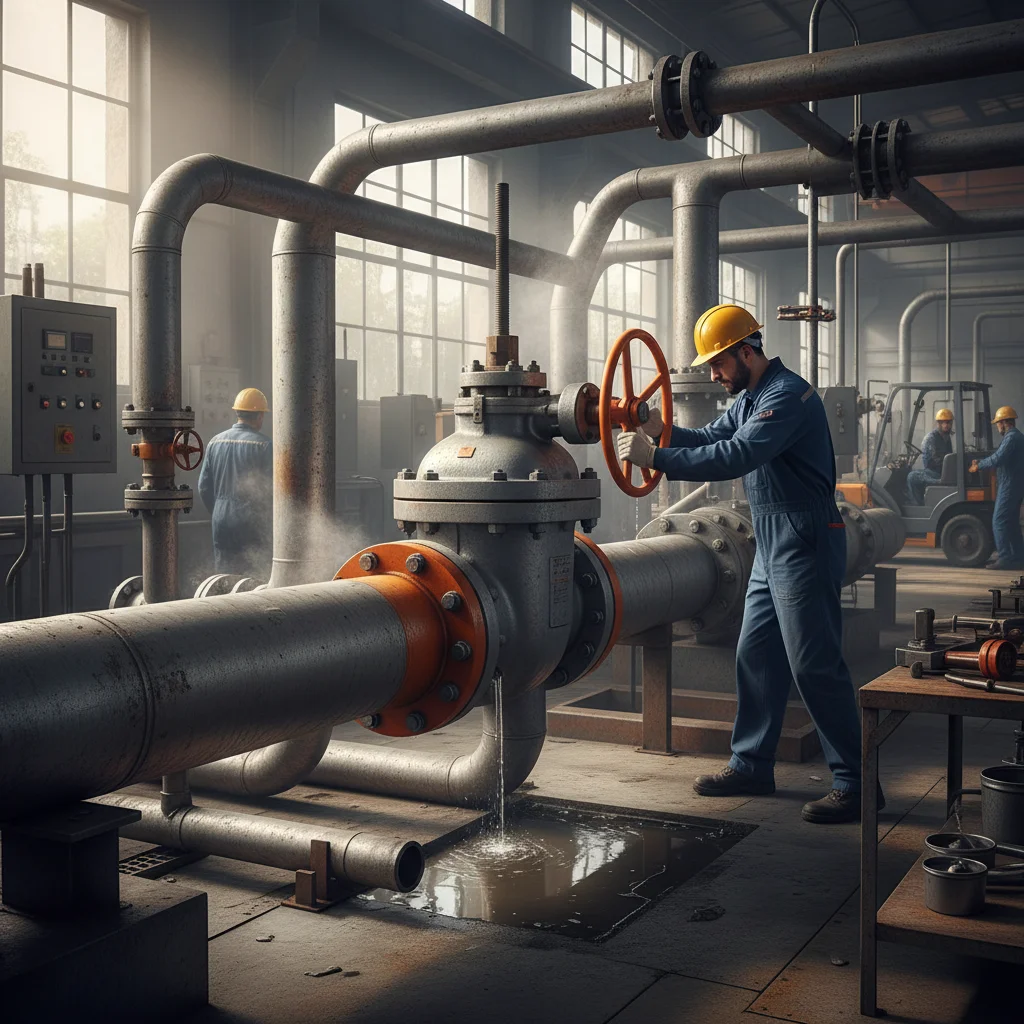
Simply put, a water valve is a mechanical device used to control the flow of water through a pipe or system. They come in a variety of designs, each suited for specific applications, ranging from simple on/off control to precise flow regulation and pressure management. These devices can be manually operated, automated, or remotely controlled, depending on the complexity of the system they serve.

In the context of modern industry, water valves are critical for processes like cooling, heating, and chemical mixing. They ensure the consistent and controlled delivery of water needed for these operations. Beyond industry, their application is profoundly tied to humanitarian needs – ensuring access to clean and safe drinking water, particularly in areas with limited infrastructure.

The proper selection and installation of water valves are crucial for the efficient and reliable operation of any water-based system. They act as the 'gatekeepers' of the resource, safeguarding against wastage, preventing contamination, and enabling optimized performance.

Key Factors or Core Components

Durability: Water valves must withstand constant exposure to water pressure, potential corrosion, and varying temperatures. The materials used in their construction – typically stainless steel, brass, or specialized polymers – are chosen for their resistance to these harsh conditions. A durable valve minimizes the need for repairs or replacements, reducing long-term costs and downtime.

Flow Capacity: The ability of a valve to handle a specific volume of water flow without causing significant pressure drop is paramount. This capacity is determined by the valve's internal diameter and design. Selecting a valve with adequate flow capacity is essential for maintaining optimal system performance and preventing bottlenecks.

Sealing Integrity: A leak-proof seal is fundamental to the function of any water valve. The quality of the sealing material and the precision of the valve’s internal components directly affect its ability to prevent water loss and maintain system pressure. Advanced sealing technologies are continuously being developed to minimize leakage and enhance reliability.

Global Applications & Use Cases

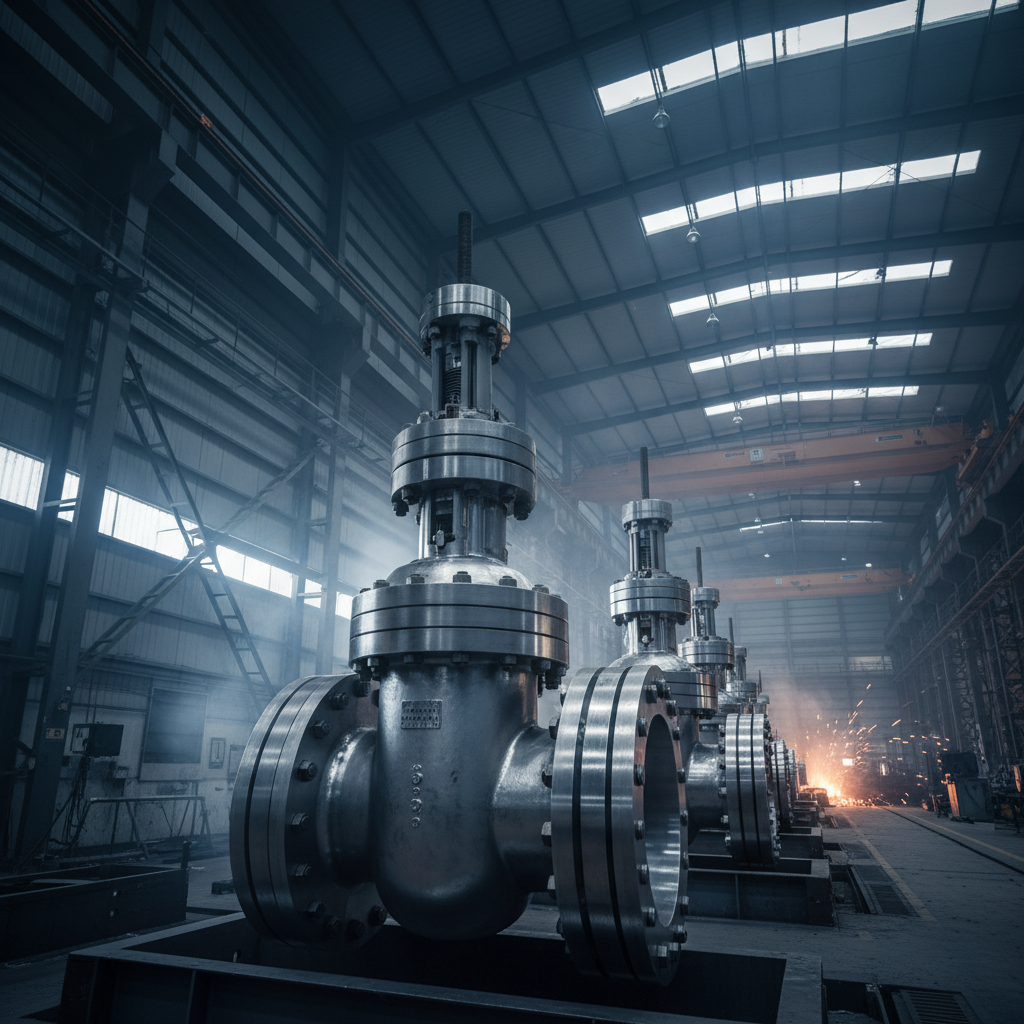
Water valves are integral to municipal water treatment plants, regulating the flow of water through filtration, disinfection, and distribution systems. They are also crucial in irrigation systems for agriculture, ensuring efficient water delivery to crops and maximizing yields. In industrial settings, they control cooling water for power plants, process water for manufacturing, and wastewater discharge.

In post-disaster relief operations, portable water treatment units rely heavily on reliable valves to deliver safe drinking water to affected populations. Similarly, in remote industrial zones such as oil and gas fields, valves ensure the consistent supply of water for various operational needs. The resilience and adaptability of these valves are paramount in challenging environments.

Globally, regions facing water scarcity, like the Middle East and North Africa, are investing heavily in advanced valve technologies to minimize water losses and optimize resource utilization. Simultaneously, developed nations are upgrading aging infrastructure with smart valves to improve efficiency and reduce environmental impact.

Water Valve Performance Comparison by Method

Advantages & Long-Term Value

The use of high-quality water valves translates directly into cost savings through reduced water loss, minimized maintenance, and extended system lifespan. Moreover, their reliable operation contributes to the sustainability of water resources by preventing waste and optimizing utilization.

From a social impact perspective, reliable water infrastructure, supported by effective valves, safeguards public health and enhances quality of life. From an emotional viewpoint, knowing that safe and reliable water is accessible brings peace of mind. From a logistical perspective, robust systems require less unplanned intervention.

Investing in innovative valve technologies fosters innovation in water management practices, driving improvements in efficiency, sustainability, and overall system performance. Trust in the reliability of these components is paramount for ensuring the continuous and safe delivery of a vital resource.

Future Trends & Innovations

The integration of smart sensors and IoT connectivity into water valves is a major emerging trend. These ‘smart valves’ can provide real-time data on flow rates, pressure levels, and valve status, enabling proactive maintenance and optimized performance. Digital transformation is reshaping water infrastructure management.

New materials, such as advanced polymers and corrosion-resistant alloys, are being developed to enhance the durability and longevity of valves, particularly in harsh environments. Furthermore, automation and remote control systems are becoming increasingly prevalent, allowing for centralized management and reduced operational costs.

Challenges & Solutions

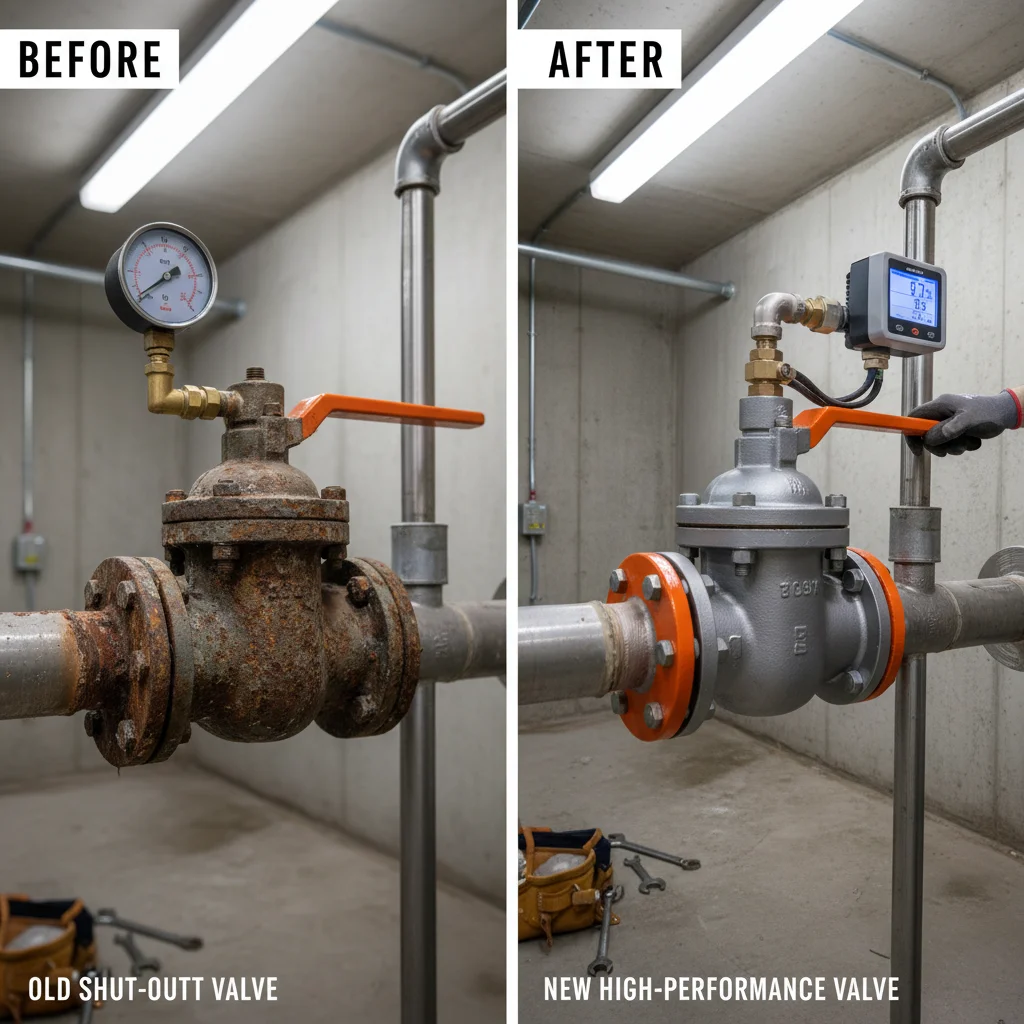
One common challenge is the corrosion of valves, especially in systems handling aggressive fluids or operating in coastal environments. Solutions include using corrosion-resistant materials, applying protective coatings, and implementing regular inspection and maintenance programs.

Another limitation is the potential for cavitation – the formation of vapor bubbles within the valve, which can cause erosion and damage. This can be addressed by selecting valves with appropriate flow characteristics and ensuring adequate system pressure.

Expert insights suggest that a holistic approach to valve selection, installation, and maintenance, coupled with the adoption of smart technologies, is crucial for overcoming these challenges and maximizing the long-term value of water infrastructure.

Summary of Water Valve Challenges and Solutions

Challenge Severity (1-10) Potential Impact Recommended Solution
Corrosion 7 Reduced valve lifespan, potential leaks Use corrosion-resistant materials
Cavitation 6 Valve erosion, reduced performance Optimize flow characteristics
Leakage 8 Water loss, increased costs Regular maintenance & inspection
Sediment Buildup 5 Reduced flow, valve malfunction Install filters and strainers
Improper Sizing 4 Pressure drop, inefficient operation Accurate flow calculation
Lack of Automation 3 Increased labor costs, slow response Implement smart valve systems

FAQS

What are the primary materials used in manufacturing durable water valves?

Durable water valves commonly employ materials like stainless steel, brass, and specialized polymers. Stainless steel offers excellent corrosion resistance, crucial in aggressive environments. Brass provides a balance of strength and corrosion resistance, while polymers are chosen for lightweight applications and compatibility with specific fluids. The material selection is critical for ensuring a long lifespan and reliable performance. Proper material composition can withstand high pressures and prevent leaks, minimizing maintenance and replacement costs.

How often should water valves be inspected for maintenance?

The frequency of water valve inspection depends on the application and operating conditions. Generally, a visual inspection should be conducted at least annually, and a more comprehensive inspection, including functional testing, should be performed every 3-5 years. Critical systems, like those in water treatment plants, may require more frequent inspections. Regular maintenance prevents minor issues from escalating into costly failures, ensuring the continuous and reliable operation of the entire system.

What is the difference between a gate valve and a globe valve?

Gate valves and globe valves are both used for flow control, but they differ in their design and application. Gate valves are primarily for on/off service, offering minimal flow restriction when fully open. Globe valves, however, are better suited for regulating flow due to their internal design, which allows for more precise control. Gate valves should not be used for throttling, as this can cause erosion and damage, while globe valves excel in this application.

Are ‘smart’ water valves worth the investment?

Smart water valves, equipped with sensors and communication capabilities, offer significant advantages, often justifying the investment. They provide real-time data on flow rates, pressure levels, and valve status, enabling proactive maintenance and preventing costly failures. Remote control capabilities allow for rapid response to emergencies and optimized system performance. The data collected also supports improved water management practices and resource conservation.

How can I prevent cavitation in my water valve systems?

Preventing cavitation requires careful system design and valve selection. Ensuring adequate upstream pressure is crucial, as low pressure increases the risk of vapor bubble formation. Selecting valves with appropriate flow characteristics and avoiding sharp bends or restrictions in the piping can also mitigate cavitation. Regular inspection and maintenance can help identify and address potential cavitation issues before they cause significant damage.

What certifications should I look for when purchasing water valves?

When purchasing water valves, look for certifications from reputable organizations like NSF International and WRAS, which ensure the valve meets standards for material safety and performance. ISO certifications demonstrate adherence to quality management systems. These certifications provide assurance that the valve is safe for use in potable water systems and will perform reliably over its intended lifespan. Always verify the certifications before making a purchase.

Conclusion

In conclusion, water valves are far more than simple mechanical components; they are essential enablers of modern life, playing a critical role in water management, industrial processes, and public health. Understanding their diverse types, applications, and the latest advancements in valve technology is paramount for ensuring efficient, sustainable, and reliable water systems globally. From minimizing water loss to enabling real-time monitoring and control, the benefits of investing in high-quality valves are undeniable.

Looking ahead, the integration of smart technologies and the development of innovative materials will continue to shape the future of water valve technology. Proactive maintenance programs, coupled with a commitment to sustainability, will be essential for maximizing the long-term value of these critical components. Visit our website at www.strmachinerys.com to explore our comprehensive range of water valve solutions and learn how we can help you optimize your water infrastructure.
Daniel Rodriguez

Daniel Rodriguez

Daniel Rodriguez is the Logistics and Supply Chain Manager at Storaen. He's responsible for overseeing the efficient flow of materials from suppliers to our Botou facility and the timely delivery of finished products to our global customer base. With a background in international logistics, Daniel excels at navigating complex shipping regulations and optimizing transportation routes. He prioritizes building strong relationships with freight partners and utilizes advanced tracking systems to ensure transparency and reliability. Daniel's strategic planning minimizes lead times and reduces costs, enhancing Storaen’s competitiveness. He's also focused on implementing eco-friendly packaging solutions to minimize environmental impact.
Previous Essential Guide to Main Water Shut Off Valves for Home and Industry
Next Robust All Metal Valve Design Materials and RealWorld Performance

If you are interested in our products, you can choose to leave your information here, and we will be in touch with you shortly.