Look, after running around construction sites all year, you start to see patterns. Right now, everyone's obsessed with smart valves, right? IoT this, remote control that. It's all well and good, but honestly, a lot of these guys are getting caught up in the bells and whistles and forgetting about the basics. They design these things on a computer, thinking it'll all just work… but they haven't felt the grime, smelled the oil, or wrestled with a rusted bolt in their life.
Have you noticed how many supposedly "heavy-duty" valves crack under real stress? It’s frustrating. We’re seeing a big push for more environmentally friendly materials, which is great, but they need to hold up! It’s not enough to be green if it breaks after six months. I was at the Xinyi factory last time, and they were bragging about their new composite valve bodies… looked nice enough, but the foreman told me they were already seeing delamination in the field.
And it's not just the big stuff. It’s the little details. People think they can just swap out materials willy-nilly. For instance, we've been using a lot of stainless steel 316 for marine applications, obviously. Smells a bit metallic when you're cutting it, a little cold to the touch. But if you don’t properly passivate it after welding, you’re asking for trouble. Rust will bloom faster than you can say "corrosion." Honestly, it’s a recurring problem.
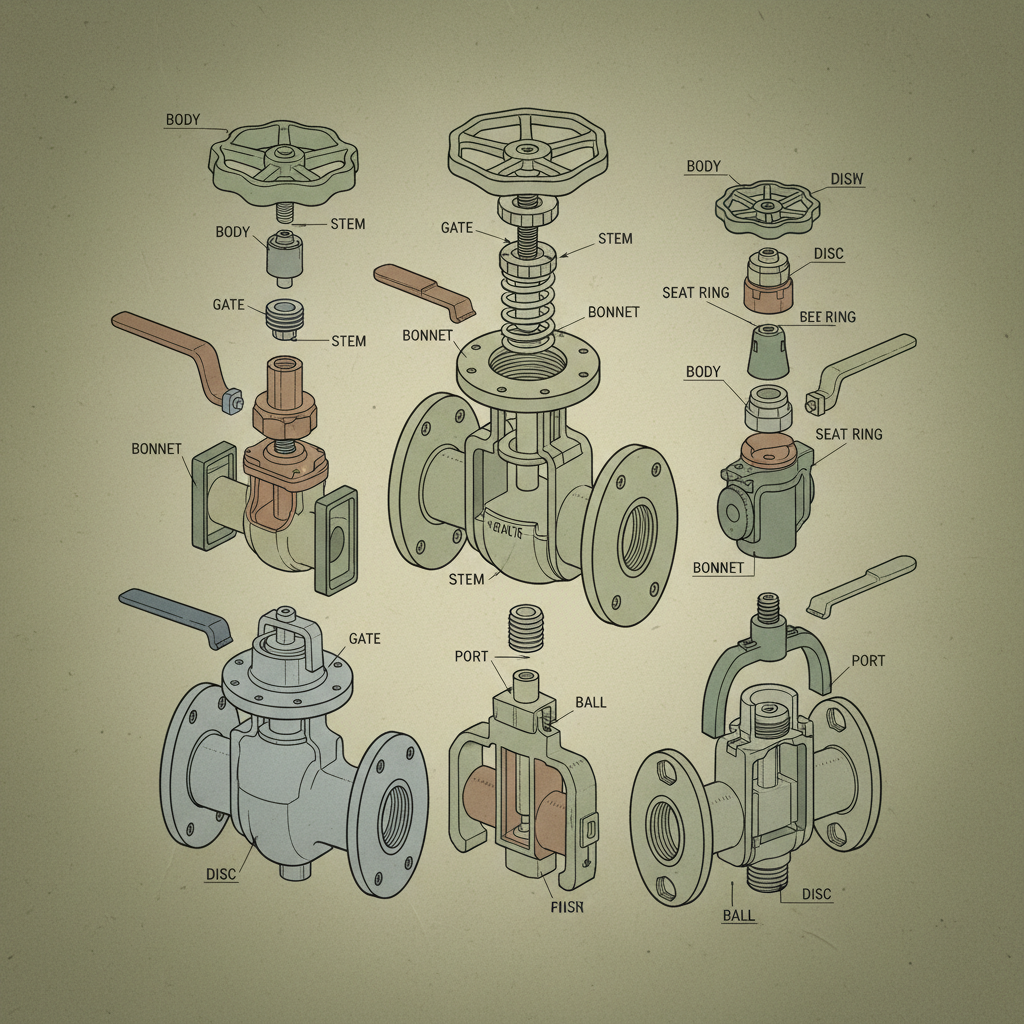
Industry Trends & Design Pitfalls
To be honest, the biggest trend I’m seeing is everyone chasing automation. Remote diagnostics, predictive maintenance… It’s all good stuff, but it’s also creating a whole new set of problems. Suddenly you’ve got these complex systems that require specialized technicians, and when something goes wrong, nobody knows how to fix it without calling the manufacturer. Strangely, the more “smart” things get, the more reliant we become on… well, someone else.
A common design trap is over-engineering. These engineers design for the absolute worst-case scenario, which is fine in theory, but it often leads to valves that are unnecessarily bulky, expensive, and difficult to install. Simple is almost always better. I’ve seen too many projects delayed because of some overly complicated valve assembly. Later… forget it, I won't mention it.
Material Choices: What Works, What Doesn't
We’re seeing a lot of brass valves still, naturally. Feels substantial, a bit heavy. You can tell it’s quality material. It's dependable but gets expensive quickly, especially for larger installations. Then there’s PVC – cheap, lightweight, easy to work with, but brittle in cold weather. I've seen pipes shatter during winter freezes more times than I can count. Cast iron is making a comeback in some applications, surprisingly. It's rough and heavy, smells like… well, iron, but it's incredibly durable if properly coated.
Now, the newer composite materials... they're promising, but it’s all about the formulation. Some of them are fantastic for corrosion resistance, but they lack the strength of metal. You need to understand the trade-offs. We did some testing with a new polymer valve body, and it failed spectacularly under sustained pressure.
And don’t even get me started on the seals. The type of elastomer matters a lot! You get what you pay for. Cheap rubber seals degrade quickly, leading to leaks and headaches. Viton is great, but expensive. It's a constant balancing act.
Real-World Testing & Performance
Forget the lab tests. Those are useful for basic quality control, sure, but they don’t tell you how a valve will perform under real conditions. We do a lot of field testing, putting valves through their paces on actual construction sites. That means exposure to dirt, dust, vibration, extreme temperatures, and generally abusive handling.
We also do pressure cycling tests, repeatedly opening and closing the valves under full load. That's where you really see which ones are built to last. I've seen valves that passed all the lab tests fall apart after just a few hundred cycles. It’s a wake-up call.
Another thing we do is simulate common installation errors. Because let’s be real, guys on site aren’t always going to follow the instructions to the letter. They’re going to tighten things down too much, cross-thread fittings, and generally try to make things fit even when they shouldn’t. And the valve has to survive it.
Actual Usage vs. Intended Usage
This is a big one. Engineers design these valves for a specific purpose, but users often find ways to use them that were never intended. For example, we had a client who was using a pressure relief valve as a flow control valve. It worked, sort of, but it was completely outside the valve’s design parameters. I tried to explain to him it wasn't designed for that... but you know how it is.
Another common issue is over-pressurization. People forget to account for water hammer or surges in the system, and they end up exceeding the valve’s pressure rating. It’s a simple mistake, but it can cause catastrophic failure.
Comparative Performance of type of water valves
Advantages, Disadvantages, and Customization
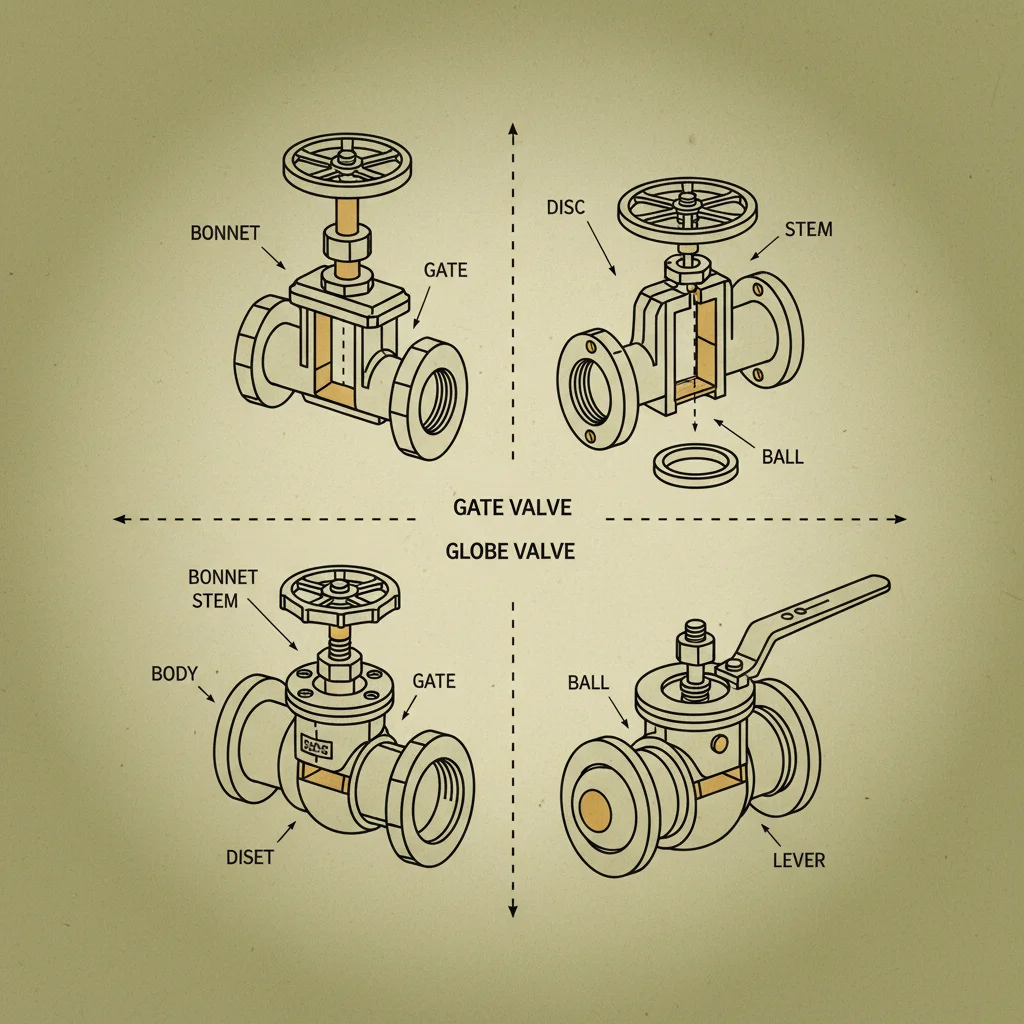
Look, every valve has its pros and cons. A ball valve is simple, reliable, and cheap, but it doesn't offer precise flow control. A globe valve provides excellent throttling, but it creates a lot of pressure drop. It’s about picking the right tool for the job. Anyway, I think a good design minimizes the cons while maximizing the pros.
Customization is key, though. We had a client last year who needed a valve with a non-standard connection size. We were able to modify one of our existing designs to meet their requirements, no problem. It’s all about being flexible and responsive to customer needs.
A Customer Story
Last month, that small boss in Shenzhen who makes smart home devices, insisted on changing the interface to . Said it was “more modern,” and “customers expect it.” I tried to explain that it would complicate the plumbing, create a potential point of failure, and generally make life harder for the installers. He wouldn’t listen. Three weeks later, I got a frantic call. He was flooded. Apparently, the connector wasn't watertight. Lesson learned, I guess.
He kept saying "It looked good on the CAD drawing!" That’s always a red flag.
It cost him a fortune, not to mention a lot of headaches. He's back to using standard fittings now.
The Bottom Line
Ultimately, whether this thing works or not, the worker will know the moment he tightens the screw. All the fancy engineering in the world doesn’t matter if it’s not practical, durable, and easy to install. You can design the most sophisticated valve in the world, but if it leaks, or breaks, or is a pain to work with, it’s useless.
We need to focus on building valves that solve real-world problems, not just impress engineers. That means robust designs, high-quality materials, and a healthy dose of common sense. And honestly? That's what keeps me coming back to the construction sites year after year.